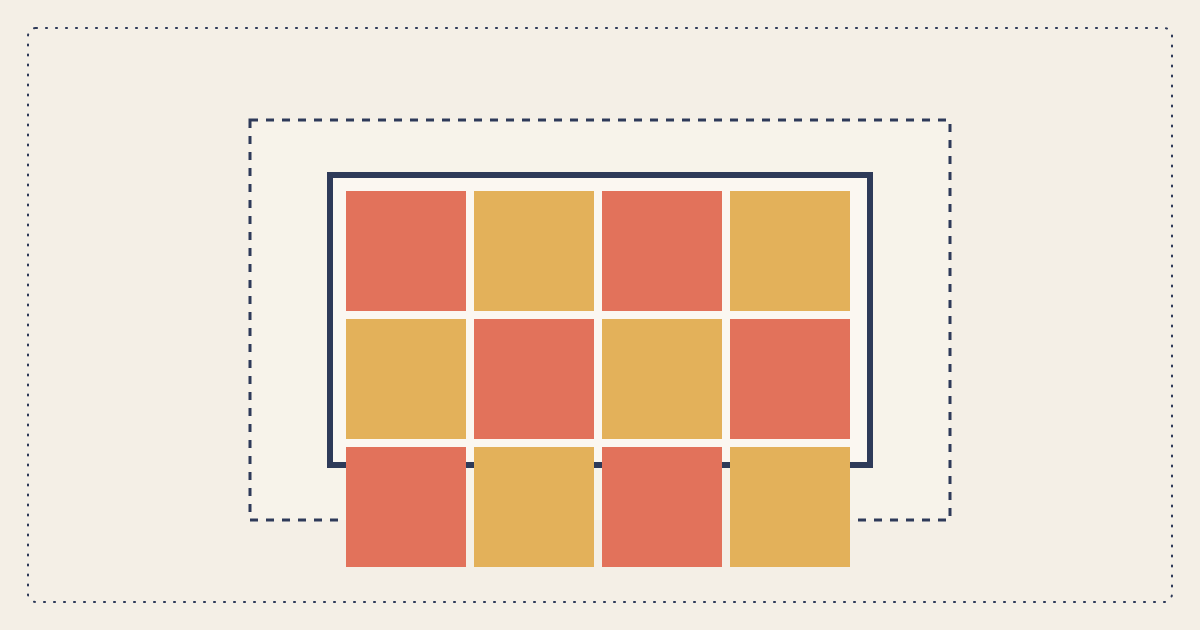
Batting is the cozy middle layer of your quilt sandwich, and it always needs to be bigger than the top. Enter your finished quilt size below to size the batting, see the square yards, and find which precut package to grab off the shelf.
Open Batting in the studio. The form on this page is that calculator.
How quilt batting size is calculated
Batting needs an overhang on every side so the layers don't shift off the edge while you baste and quilt. The math is straightforward:
- Batting width = quilt width + (2 × overhang)
- Batting height = quilt height + (2 × overhang)
- Square inches = batting width × batting height
- Square yards = square inches ÷ 1296 (a square yard is 36" × 36" = 1296 sq in)
For a 60" × 72" quilt with 4" of overhang, the batting is 68" × 80", which is 5,440 square inches or about 4.2 square yards. The calculator then checks that size against the standard precut packages below and recommends the smallest one that fits.
Standard precut batting sizes
Batting is sold both off the bolt and in pre-packaged sizes that match common quilt and mattress dimensions. The smallest package that fully covers your batting size is usually the most economical choice.
| Precut size | Dimensions | Best for |
|---|---|---|
| Craft | 36" × 45" | Mini quilts, table runners, mug rugs |
| Crib | 45" × 60" | Baby and crib quilts, wall hangings |
| Throw | 60" × 60" | Lap and throw quilts |
| Twin | 72" × 90" | Twin beds, large throws |
| Full / Double | 81" × 96" | Full and double beds |
| Queen | 90" × 108" | Queen beds |
| King | 120" × 120" | King and California king beds |
Tips for choosing batting
- Loft matters. Low-loft batting is thin and shows quilting crisply; high-loft is puffy and cozy but harder to machine quilt.
- Check the fiber. Cotton is soft and breathable, polyester is lightweight and warm, and blends balance the two. Wool is warm and lightweight but pricier.
- Mind the quilting distance. Every batting lists a maximum distance between quilting lines — exceed it and the batting can shift or bunch after washing.
- Buy the right precut. If your batting size falls just over a precut, piece scraps or size up rather than stretching a package too thin.
Let Quiltler do it for you: Quiltler calculates batting, backing, binding, and every block fabric automatically for your full quilt design, then exports a PDF cutting guide. Plan the whole project with the all-in-one fabric calculator.