Quilting history · The quilt code

Underground Railroad Quilts

The quilt code: myth and history

Many of us first heard it in school: quilts hung on fences and clotheslines, their patterns a secret code that guided enslaved people to freedom. Teachers, librarians and quilters have shared the story in good faith for more than twenty years. Here is what the historical record shows: how freedom seekers really escaped, where the quilt code story came from, and the real quilts Black women made, which survive with their makers' own words.

  • 15 moments
  • 1826 to today
  • 16 historic pictures
  • A carte de visite photograph of Harriet Tubman, seated, in a dark bodice and a full checked skirt
  • Harriet Powers' Bible Quilt: appliquéd figures, animals and suns in eleven panels on a pale ground
  • The first page of William Still's preface, describing escapes guided by the north star, in boxes and chests, on steamers and in skiffs, and in disguise
  • A lithograph of Henry Brown rising from an open wooden shipping crate while four men look on
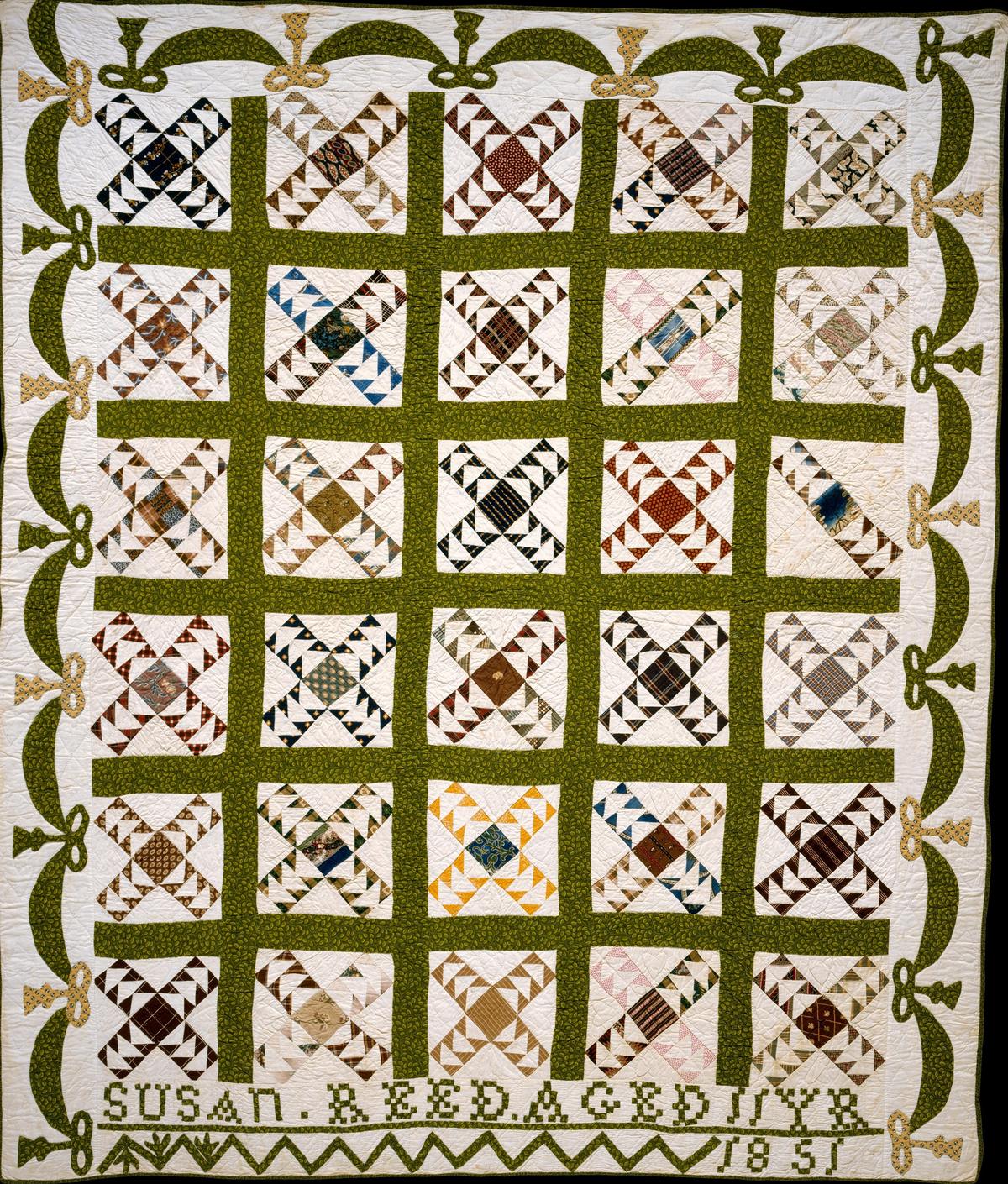
  • A quilt of Wild Goose Chase blocks set in green sashing, with SUSAN REED and 1851 pieced along the bottom border
  • Harriet Powers' Pictorial Quilt: fifteen panels of appliquéd people, animals, stars and suns

Is the Underground Railroad quilt code real?

There is no evidence for it. No 19th-century narrative, letter, memoir or newspaper, and none of the 1930s interviews with formerly enslaved people, mentions quilts used as signals or maps. The earliest known mention is one line in a 1987 film, and the code became widely known through the 1999 book Hidden in Plain View, based on one family's story told in the 1990s. The true history of how freedom seekers escaped, and of the quilts Black women made, is documented, and more remarkable.

1826 – 1872

How freedom seekers really escaped

Escapes were planned and carried out by the people who made them, helped by a loose network of allies. Many of them told their own stories.

1820s – 1850s

The real Underground Railroad

The Underground Railroad was not a railroad or a single organization. It was a loose network of free Black communities, abolitionists, Quakers and enslaved people who helped freedom seekers reach free states, Canada and other refuges. Most escapes were planned and carried out by the freedom seekers themselves, often with help only near the end of the journey.

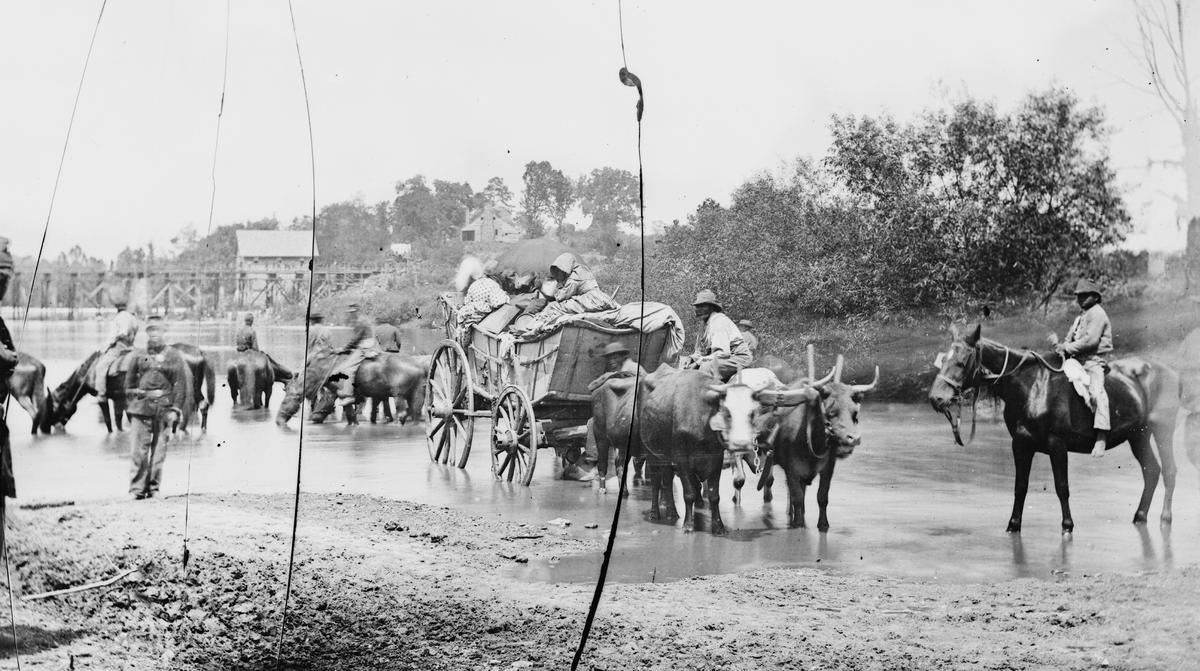
The Fugitive Slave Act of 1850 made helping them a federal crime and pushed many to go on to Canada. Today the National Park Service documents sites, routes and people through its Network to Freedom program, created by Congress in 1998. In this 1862 photograph, people with wagons, oxen and horses ford the Rappahannock River in Virginia.

An 1862 photograph of people with wagons, oxen and horses crossing a shallow river
Timothy H. O'Sullivan, Fugitive African Americans fording the Rappahannock, Virginia, 1862. Library of Congress · Public domain

1826 – 1847

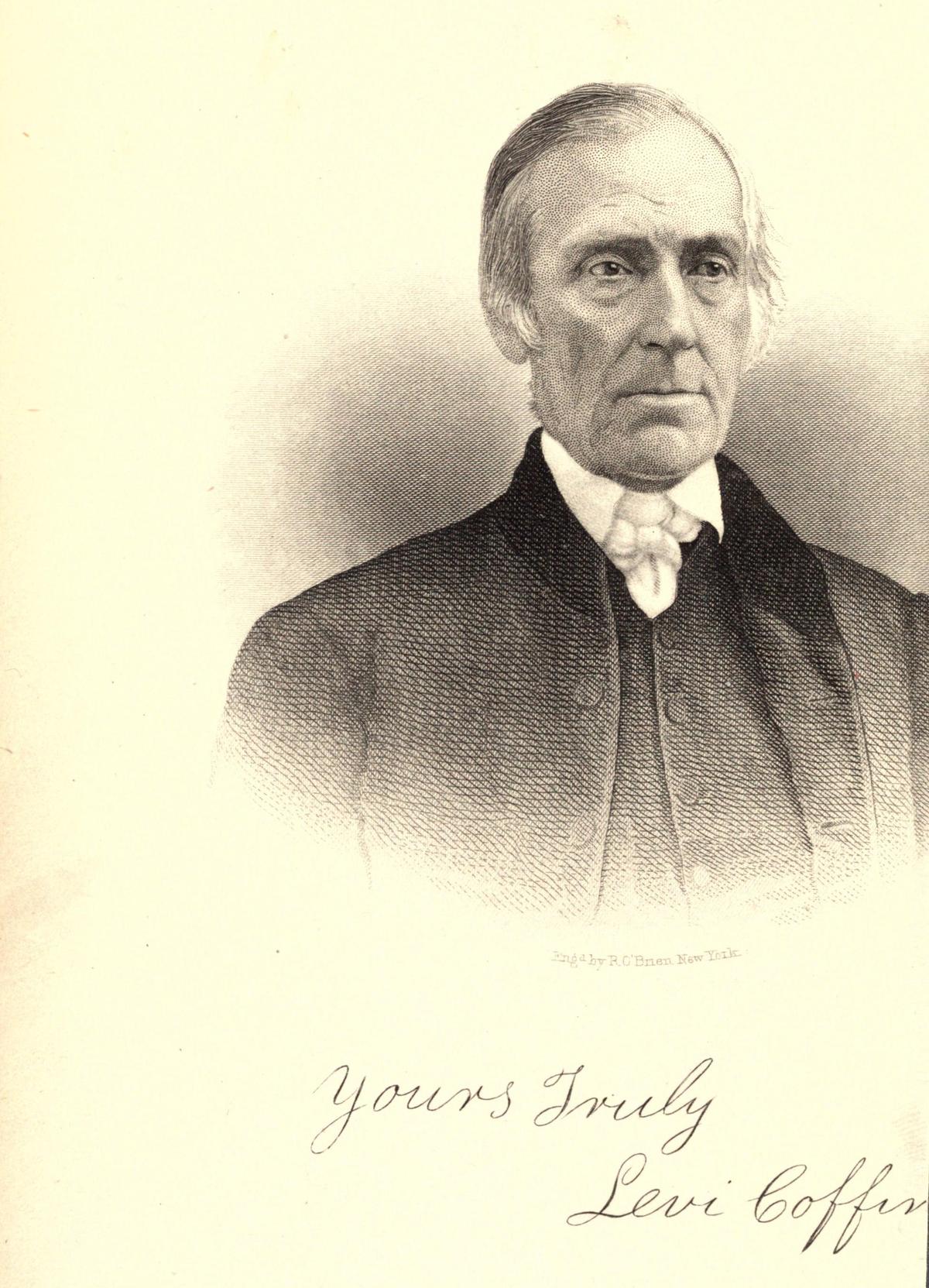
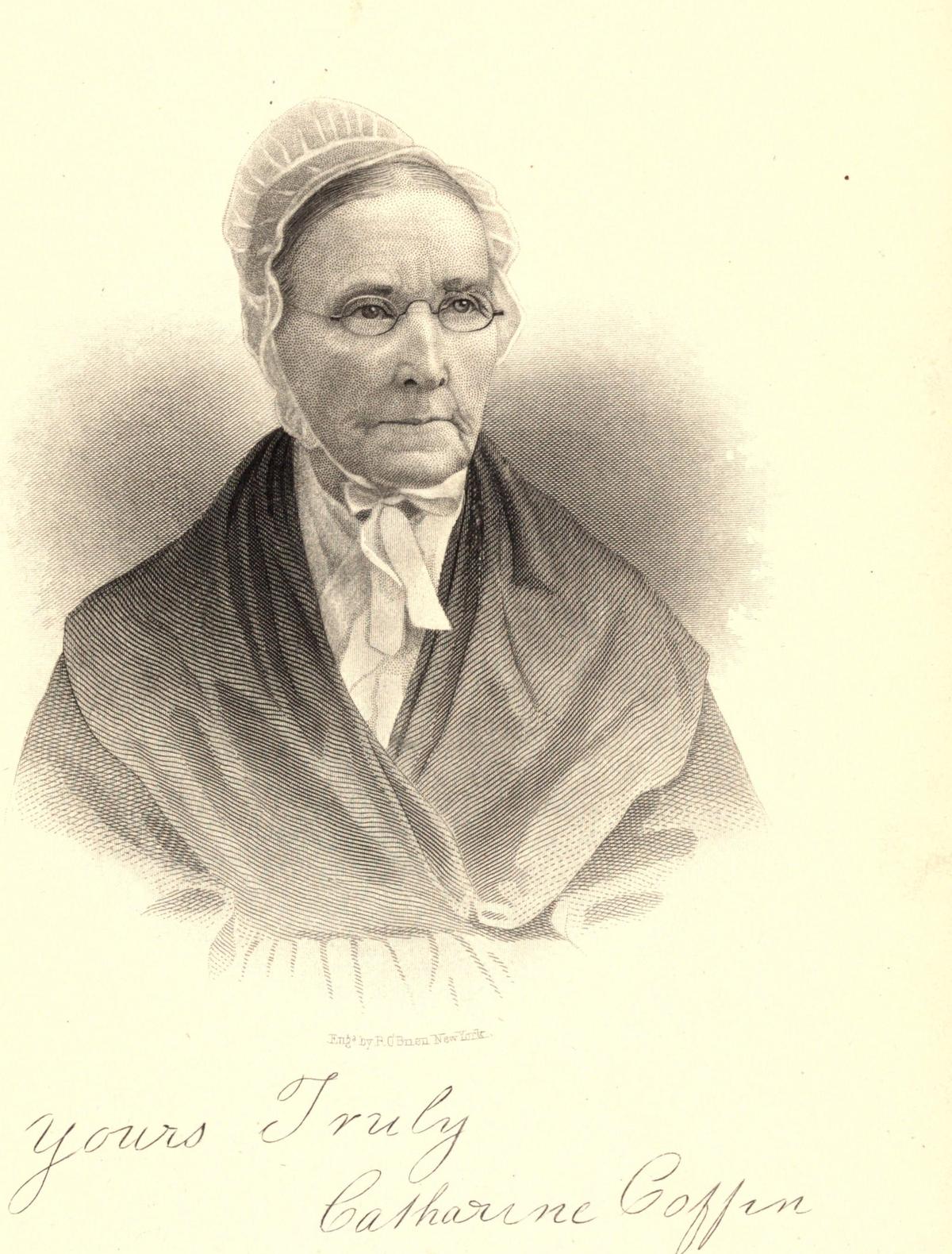
Levi and Catharine Coffin, Newport, Indiana

Quakers Levi and Catharine Coffin sheltered freedom seekers at their home in Newport (now Fountain City), Indiana, from 1826 to 1847, then moved to Cincinnati. The Indiana State Museum, which runs the house as a state historic site, says they helped more than 1,000 people; Coffin's own memoir gives higher totals, so figures vary.

Levi Coffin was often called the "President of the Underground Railroad." His long memoir, Reminiscences of Levi Coffin (1876), describes hiding places, wagons, disguises and messages. It never mentions quilts used as signals.

An engraved portrait of Levi Coffin, an older man in a dark coat, signed Yours Truly Levi Coffin
Levi Coffin, from Reminiscences of Levi Coffin (1880 edition). Internet Archive · Public domain
An engraved portrait of Catharine Coffin in a bonnet, shawl and spectacles, signed Yours Truly Catharine Coffin
Catharine Coffin, from Reminiscences of Levi Coffin (1880 edition). Internet Archive · Public domain

1849

Henry "Box" Brown mails himself to freedom

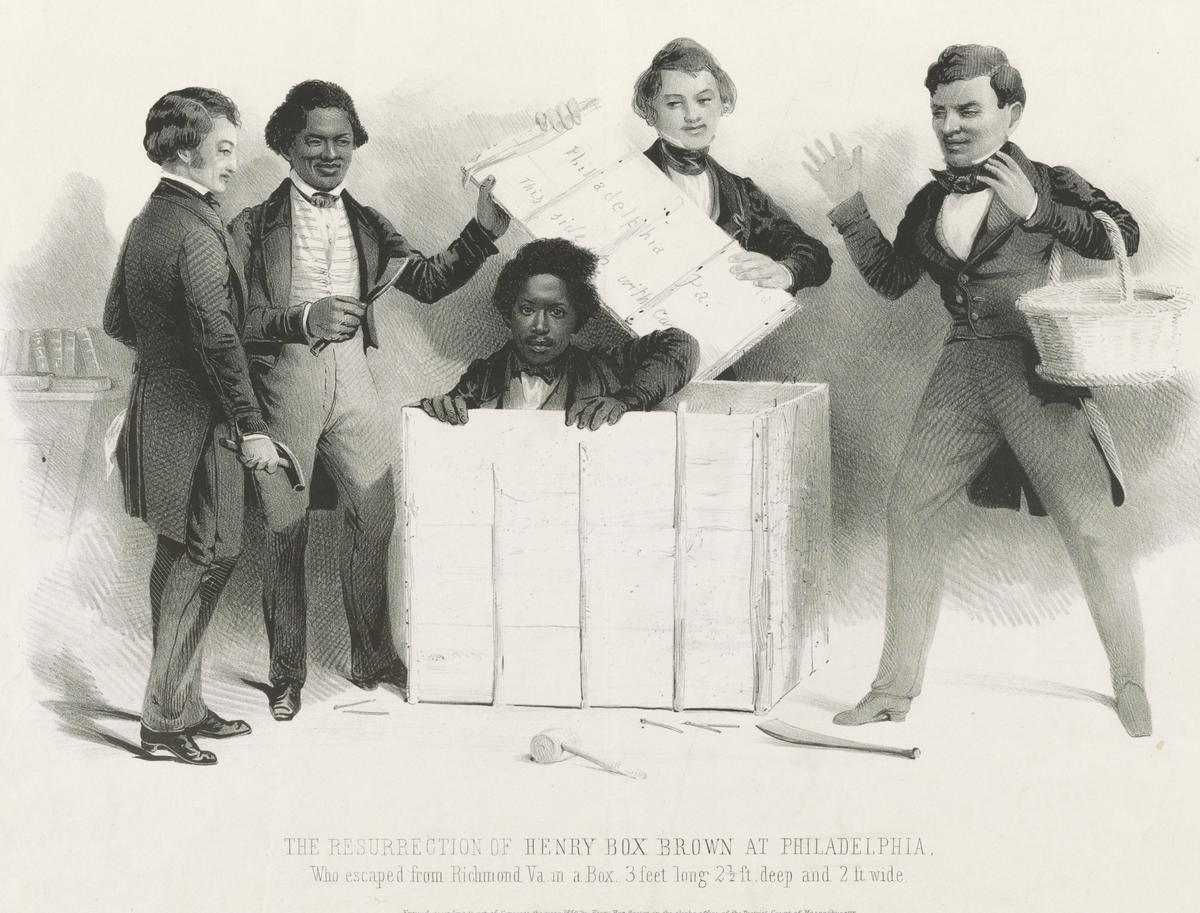
In March 1849 Henry Brown had himself nailed into a wooden box in Richmond, Virginia, and shipped by express to the Philadelphia Anti-Slavery Society, a trip of about 27 hours. This lithograph, published in 1850, shows him rising from the box in Philadelphia; William Still was among the men who opened it.

Stories like his show how varied and inventive real escapes were: boxes, disguises, forged passes, boats and trains.

A lithograph of Henry Brown rising from an open wooden shipping crate while four men look on
The Resurrection of Henry Box Brown at Philadelphia, lithograph, 1850. Library of Congress · Public domain

1849 – 1860

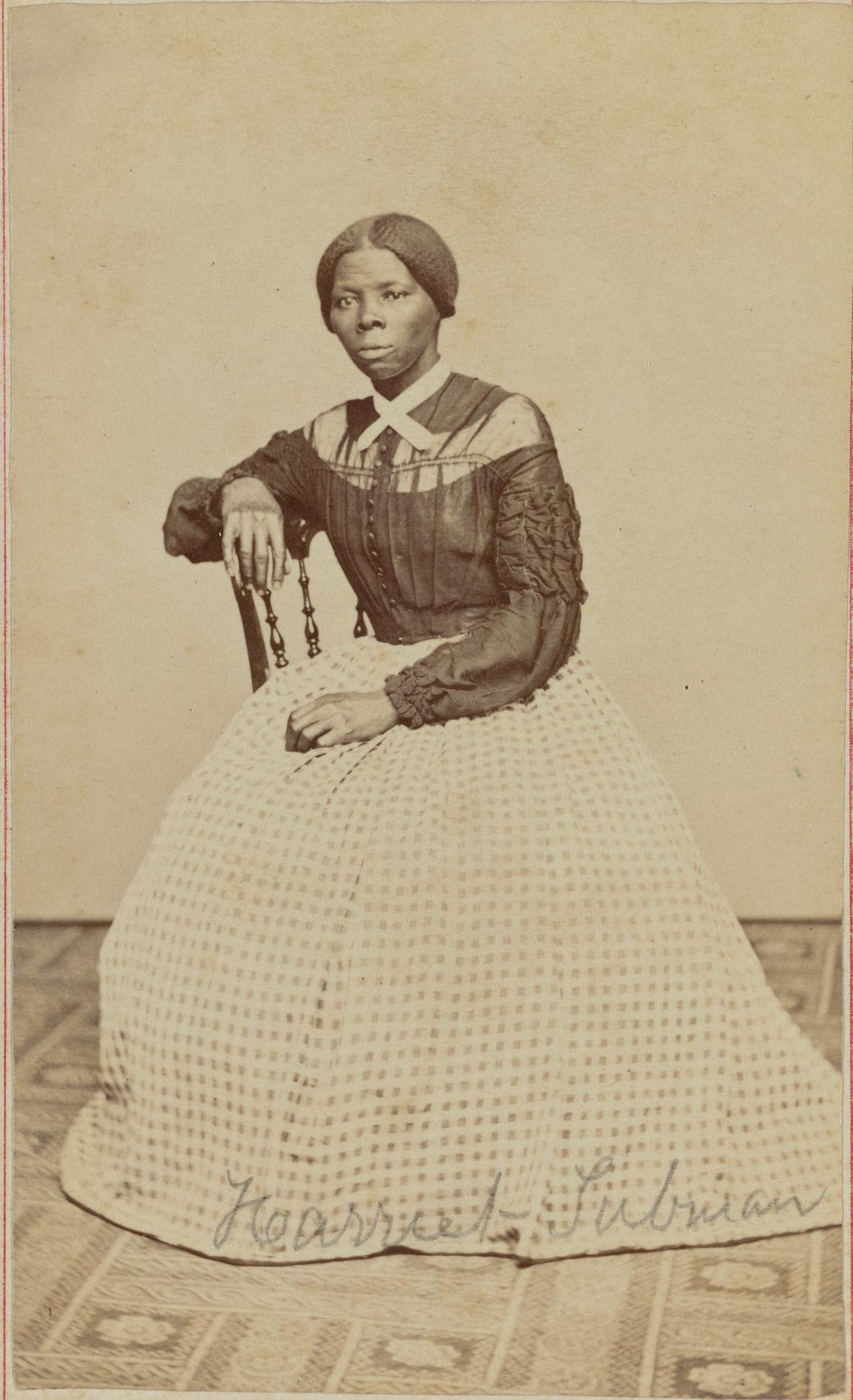
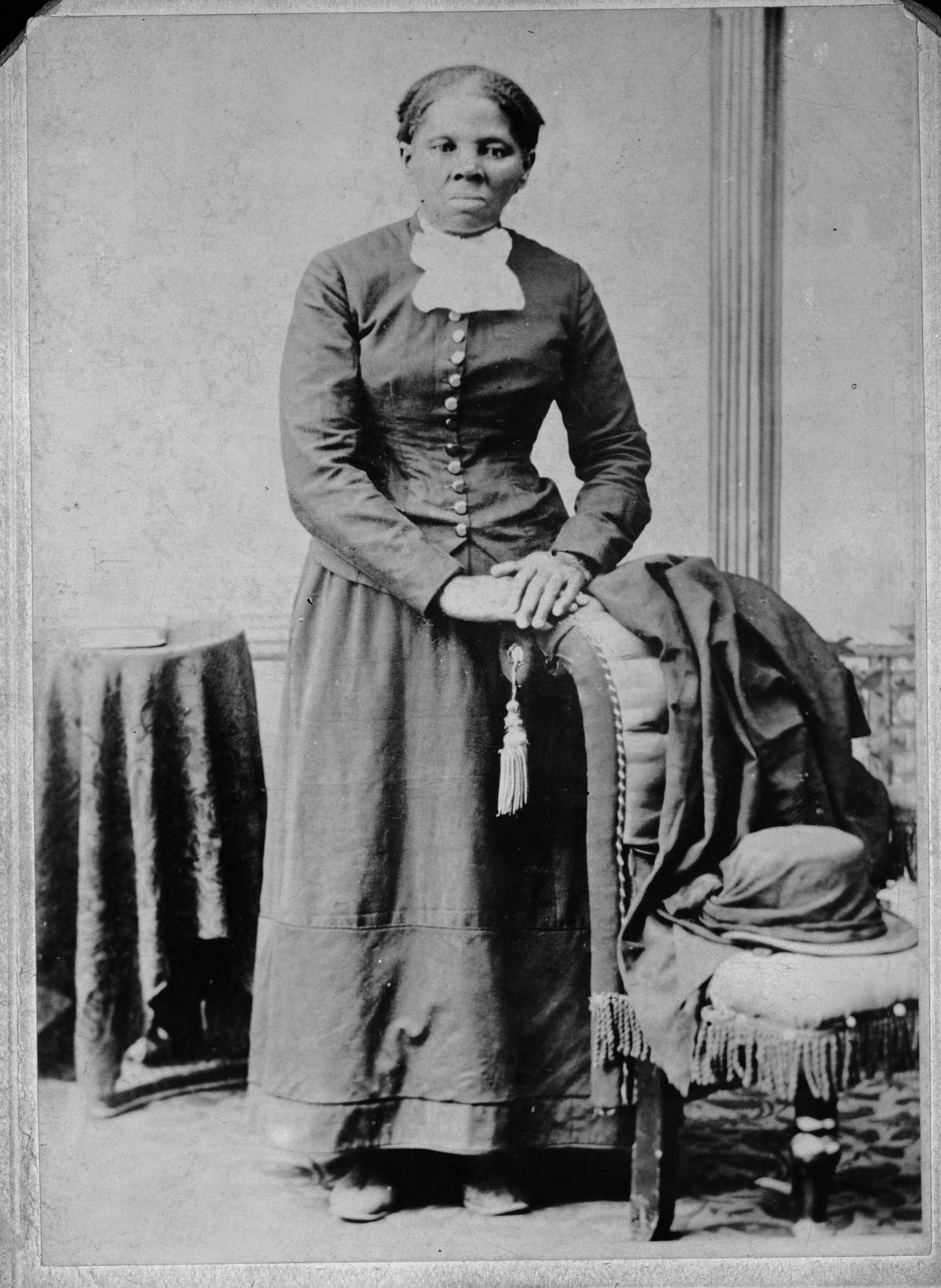
Harriet Tubman's rescues

Harriet Tubman escaped slavery in Maryland in 1849 and went back about 13 times, bringing out about 70 people, mostly family and friends. She gave instructions to roughly 70 more who escaped on their own. The National Park Service says the often-quoted "300 people in 19 trips" is an exaggeration from Sarah Bradford's 1868 biography.

Tubman relied on trusted helpers, disguises, letters written for her, rivers, the North Star, and two songs whose tempo signaled danger or safety. The Park Service is plain on one point: Tubman never used the quilt code, "because the quilt code is a myth." During the Civil War she guided the Combahee River raid of June 1863, which freed more than 700 people.

A carte de visite photograph of Harriet Tubman, seated, in a dark bodice and a full checked skirt
Benjamin F. Powelson, portrait of Harriet Tubman, Auburn, New York, about 1868–69. Library of Congress · Public domain
Harriet Tubman standing with her hands resting on the back of a chair
H. B. Lindsley, Harriet Tubman, about 1871–76. Library of Congress · Public domain

1872

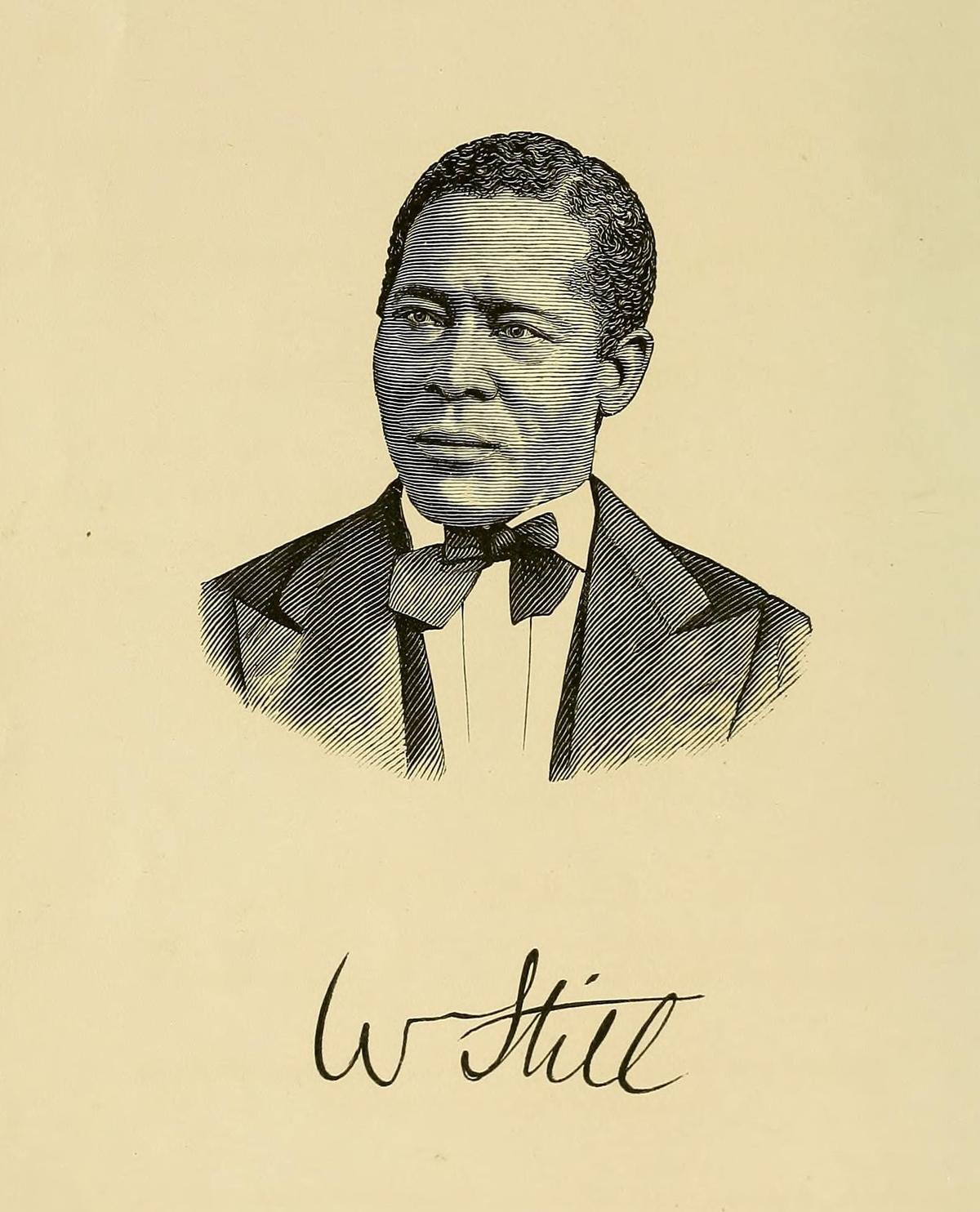
William Still writes it all down

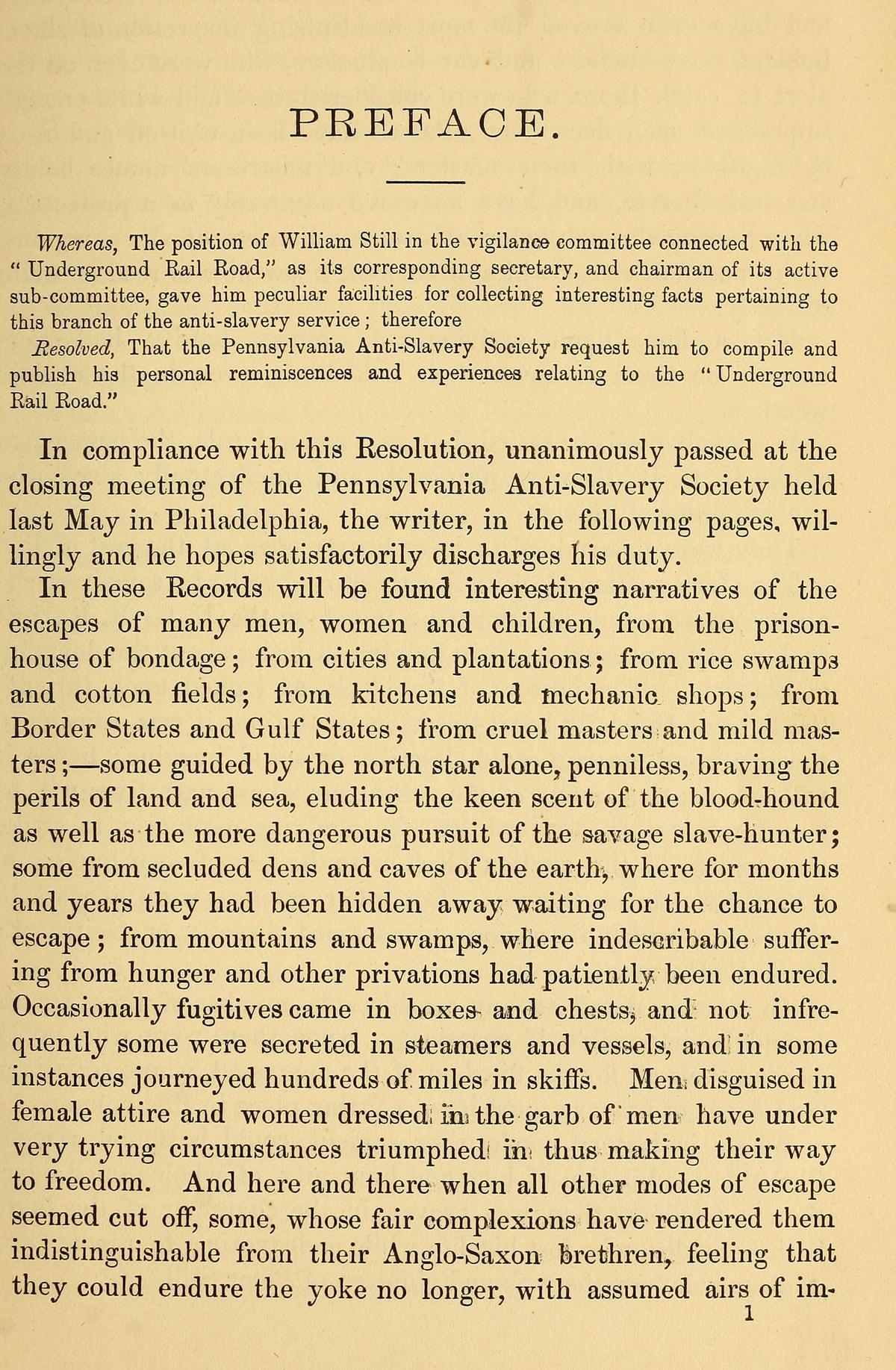
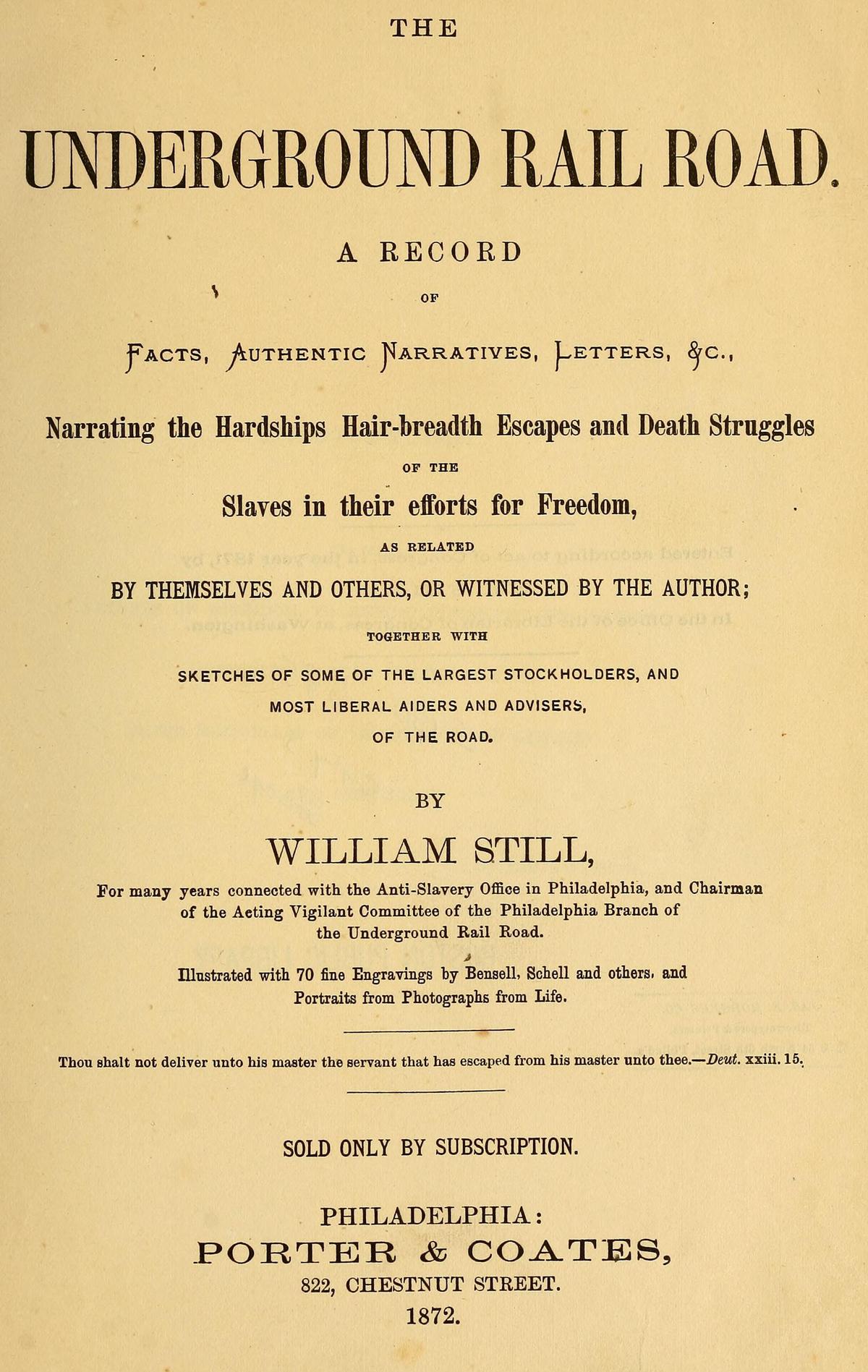
William Still, a free Black clerk at the Pennsylvania Anti-Slavery Society and chairman of Philadelphia's Vigilance Committee, interviewed freedom seekers and kept records, partly so families could find each other later. In 1872 he published The Underground Rail Road, with the stories of about 650 people.

His preface lists how they came: "guided by the north star alone," hidden in boxes and chests, aboard steamers, in skiffs, in disguise. Firsthand accounts like Still's, Coffin's and Frederick Douglass's, and the 1930s WPA interviews with formerly enslaved people, describe many ways of sending messages. None of them mention quilts.

The first page of William Still's preface, describing escapes guided by the north star, in boxes and chests, on steamers and in skiffs, and in disguise
William Still's preface, 1872: people came "guided by the north star alone," in boxes and chests, on steamers and in skiffs, and in disguise. Boston Public Library / Internet Archive · Public domain
An engraved portrait of William Still in a bow tie, signed W. Still
William Still, from The Underground Rail Road, Philadelphia, 1872. Boston Public Library / Internet Archive · Public domain
Title page of The Underground Rail Road by William Still, Philadelphia, Porter and Coates, 1872
Title page of William Still's The Underground Rail Road, Philadelphia, 1872. Boston Public Library / Internet Archive · Public domain

1840s – 1898

The real quilts

Quilts from these years survive in museums, with dates and sometimes their makers' names. They are real records, just not of a code.

1840s – 1851

Flying Geese and Wild Goose Chase

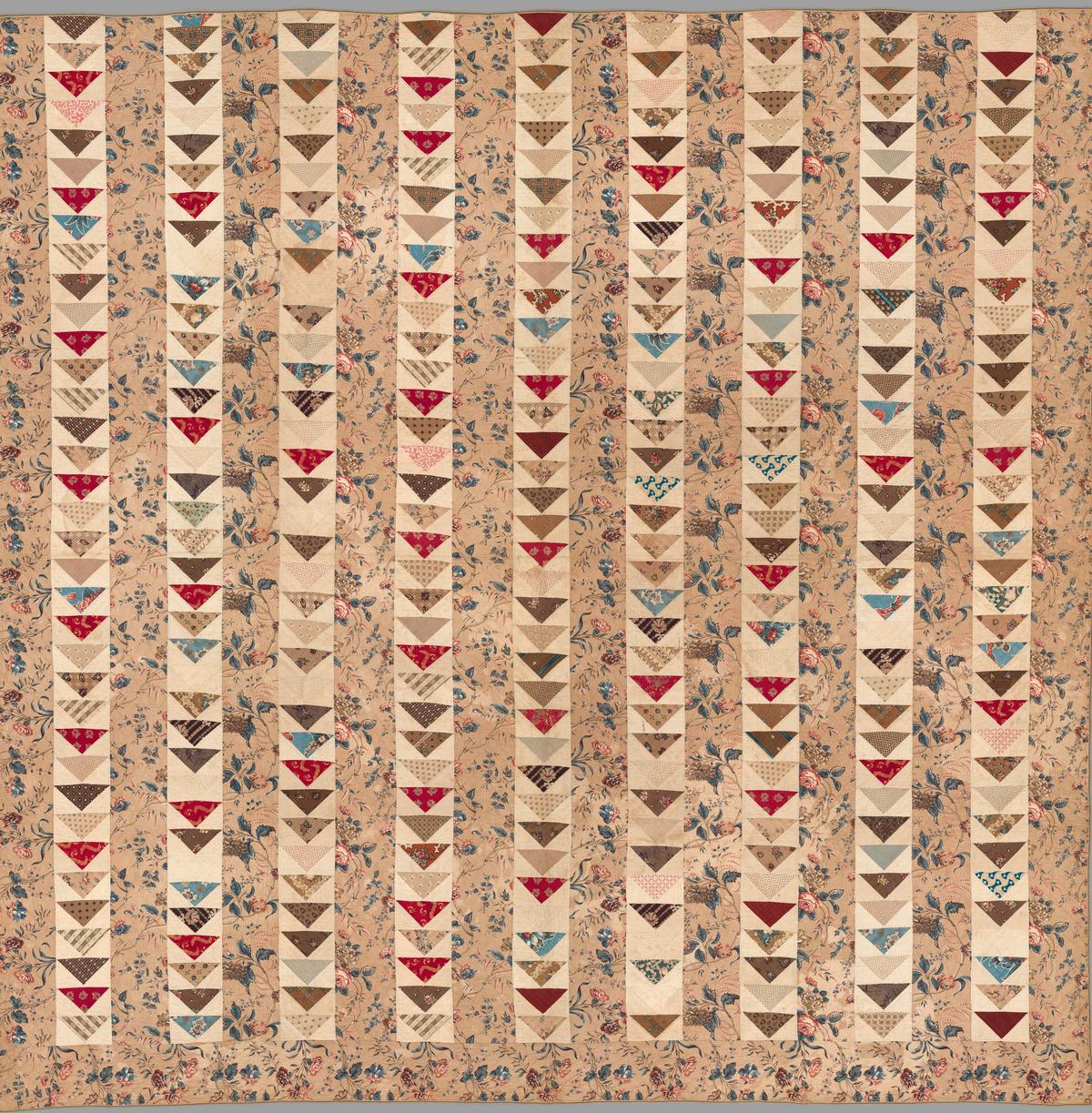
Triangle patterns like Flying Geese were already being sewn in the 1840s: the Met has a Flying Geese quilt dated about 1840–50, and a Wild Goose Chase quilt that Susan Reed of Forestburgh, New York, signed with her name, her age and the year 1851.

But makers rarely wrote down block names, and the names used in the "code" were mostly fixed in print much later, in pattern catalogs and newspaper columns from the 1890s to the 1930s. See how quilt blocks got their names.

A quilt of vertical rows of small pieced triangles in reds and browns between strips of floral chintz
Quilt in the Flying Geese pattern, United States, about 1840–50. The Metropolitan Museum of Art · CC0
A quilt of Wild Goose Chase blocks set in green sashing, with SUSAN REED and 1851 pieced along the bottom border
Susan Reed Ruddick, Wild Goose Chase quilt, Forestburgh, New York, 1851. The Metropolitan Museum of Art · CC0

1863 – 1869

When the Log Cabin appears

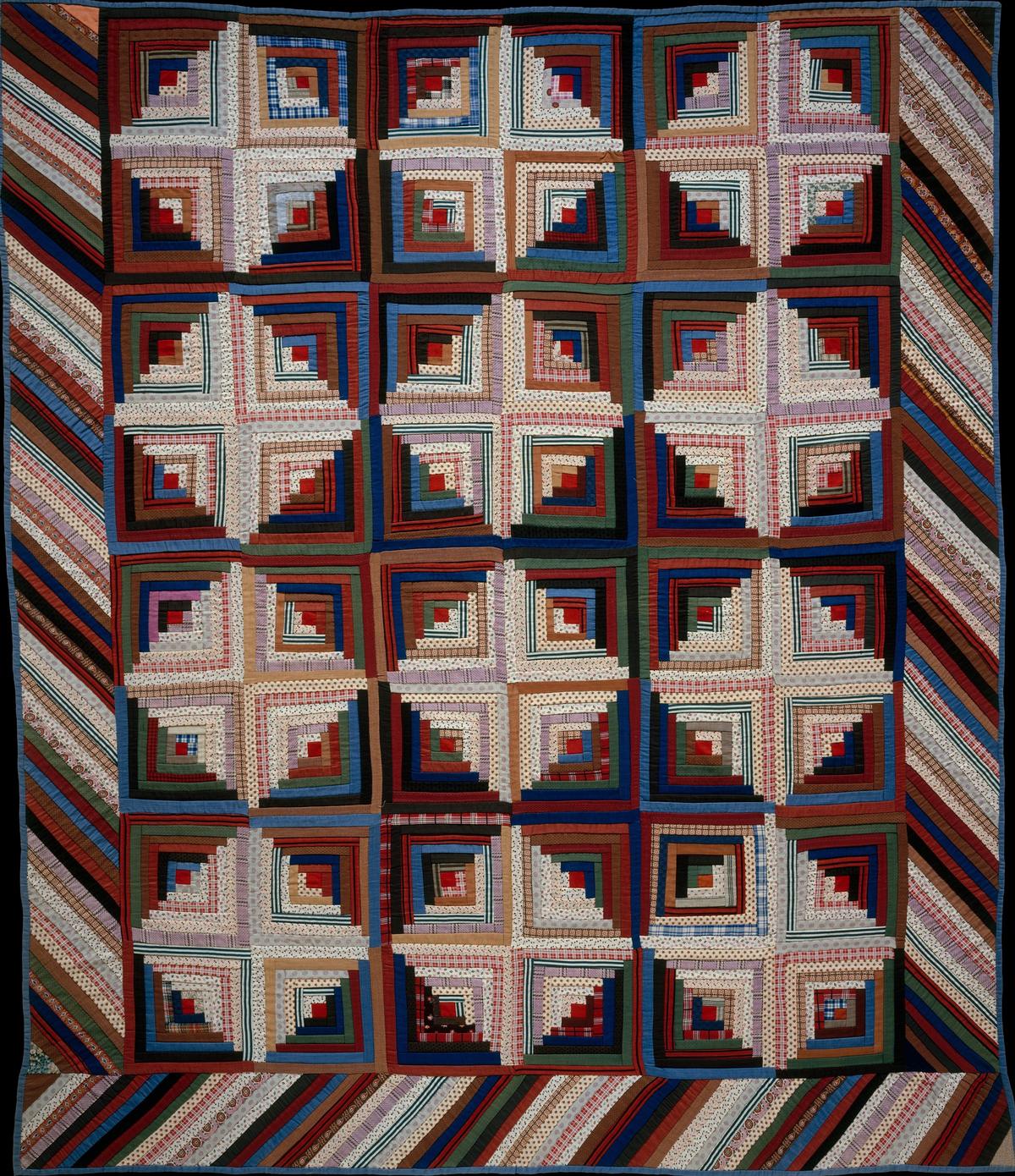
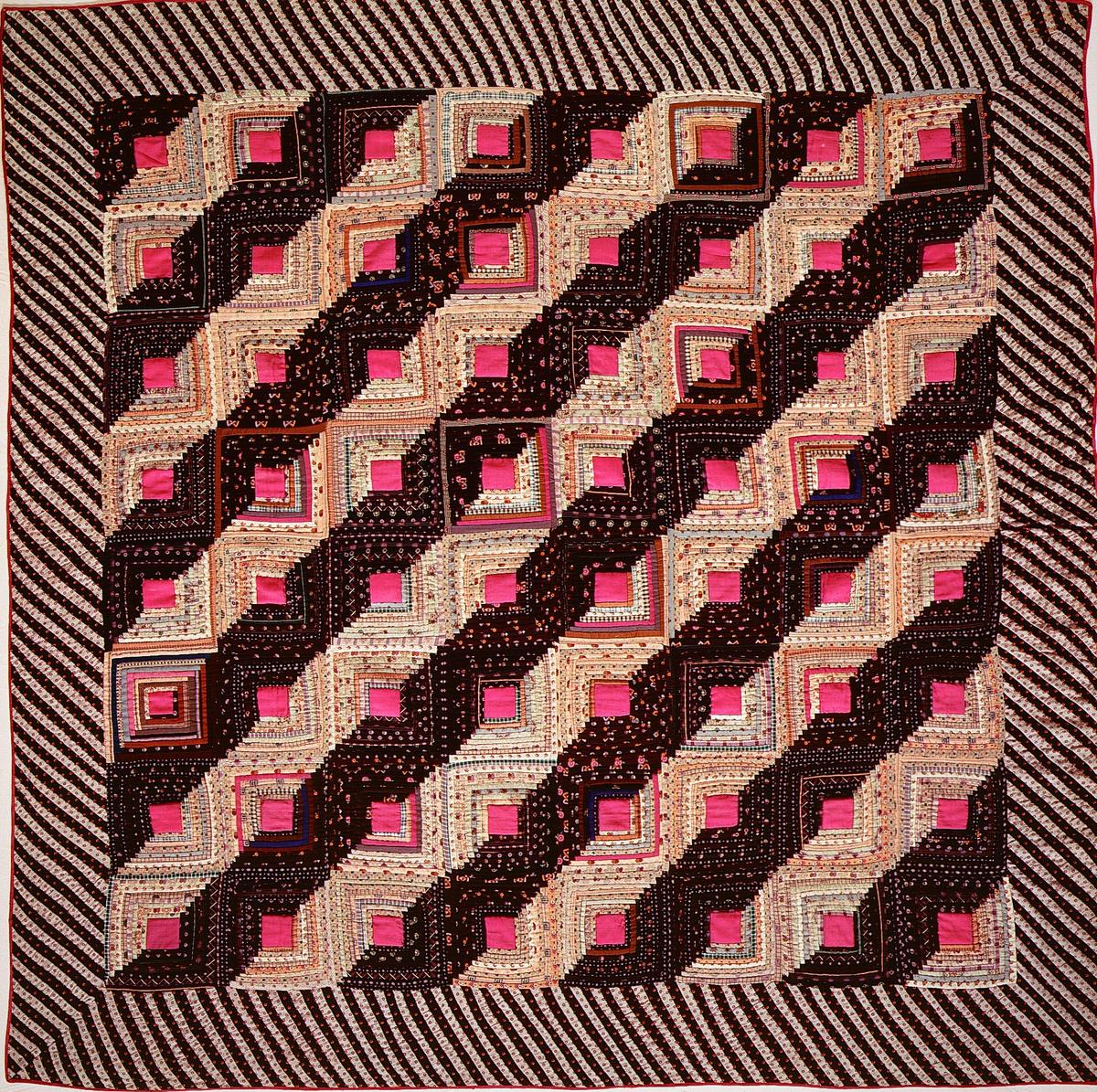
The best-known part of the story is a Log Cabin quilt with a black center, hung on a line to mark a safe house. But the Log Cabin design appears around the Civil War: Log Cabin quilts appear in writing from 1863, and quilt historian Barbara Brackman found no date-inscribed Log Cabin earlier than 1869.

A few museums date individual Log Cabins earlier by style, so it's fairest to say none is securely dated before the 1860s, after the Underground Railroad's busiest years. More in the history of the Log Cabin quilt.

A Log Cabin quilt of narrow strips in light and dark prints around small red center squares
Log Cabin quilt, Light and Dark variation, Pennsylvania, about 1865. The Metropolitan Museum of Art · CC0
A Log Cabin quilt with diagonal bands of dark and light strips and bright pink center squares
Log Cabin quilt, Straight Furrow variation, Pennsylvania, about 1875. The Metropolitan Museum of Art · CC0

1886

Harriet Powers' Bible Quilt

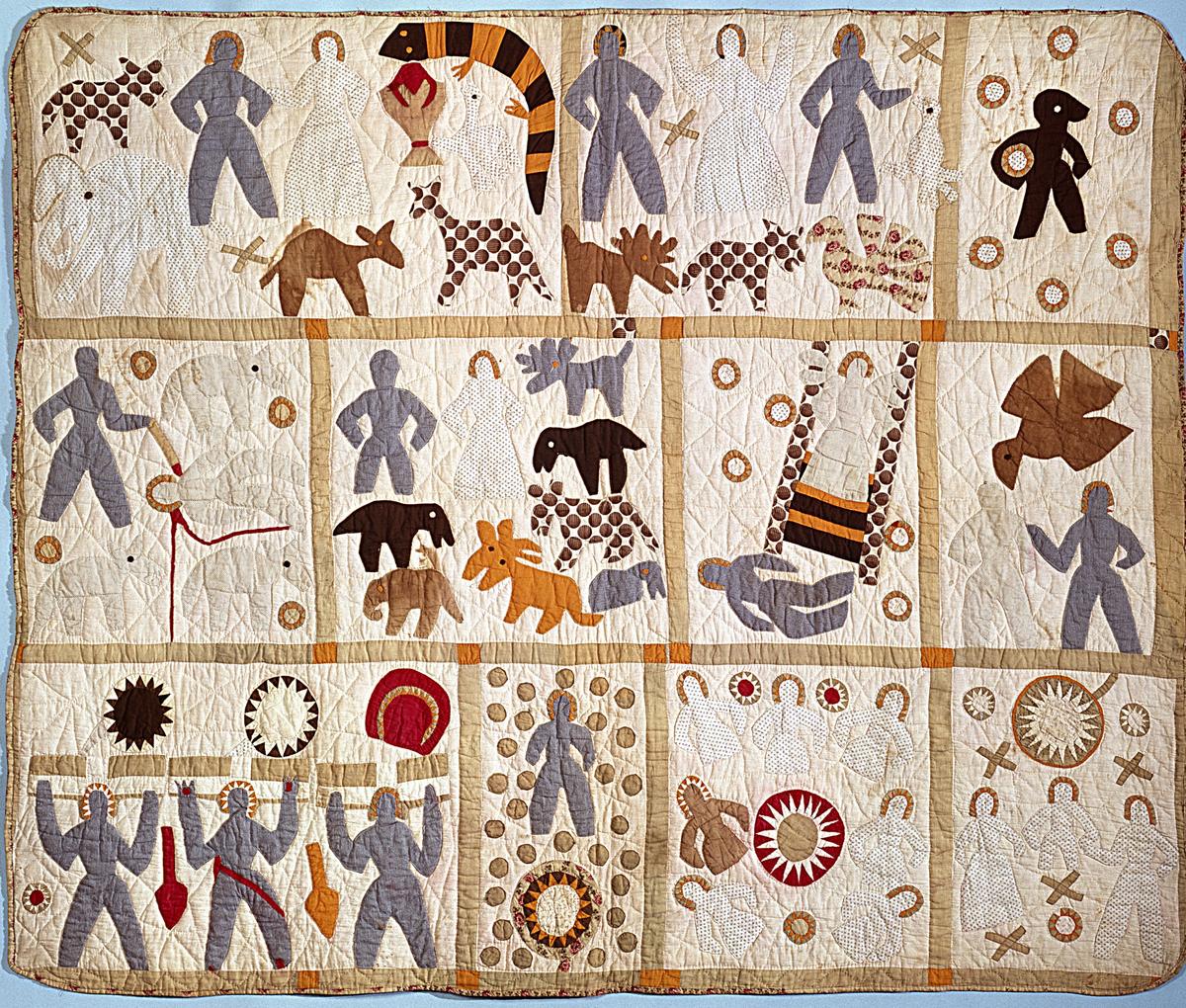
Harriet Powers was born into slavery near Athens, Georgia, on October 29, 1837. She showed her appliqué Bible Quilt at the Athens cotton fair in 1886, and in 1891 sold it for five dollars to art teacher Jennie Smith, who wrote down Powers' own explanations of each scene.

It is now at the Smithsonian's National Museum of American History, one of the best-known quilts in America.

Harriet Powers' Bible Quilt: appliquéd figures, animals and suns in eleven panels on a pale ground
Harriet Powers, Bible Quilt, Athens, Georgia, 1885–86. National Museum of American History · CC0

1895 – 1898

The Pictorial Quilt

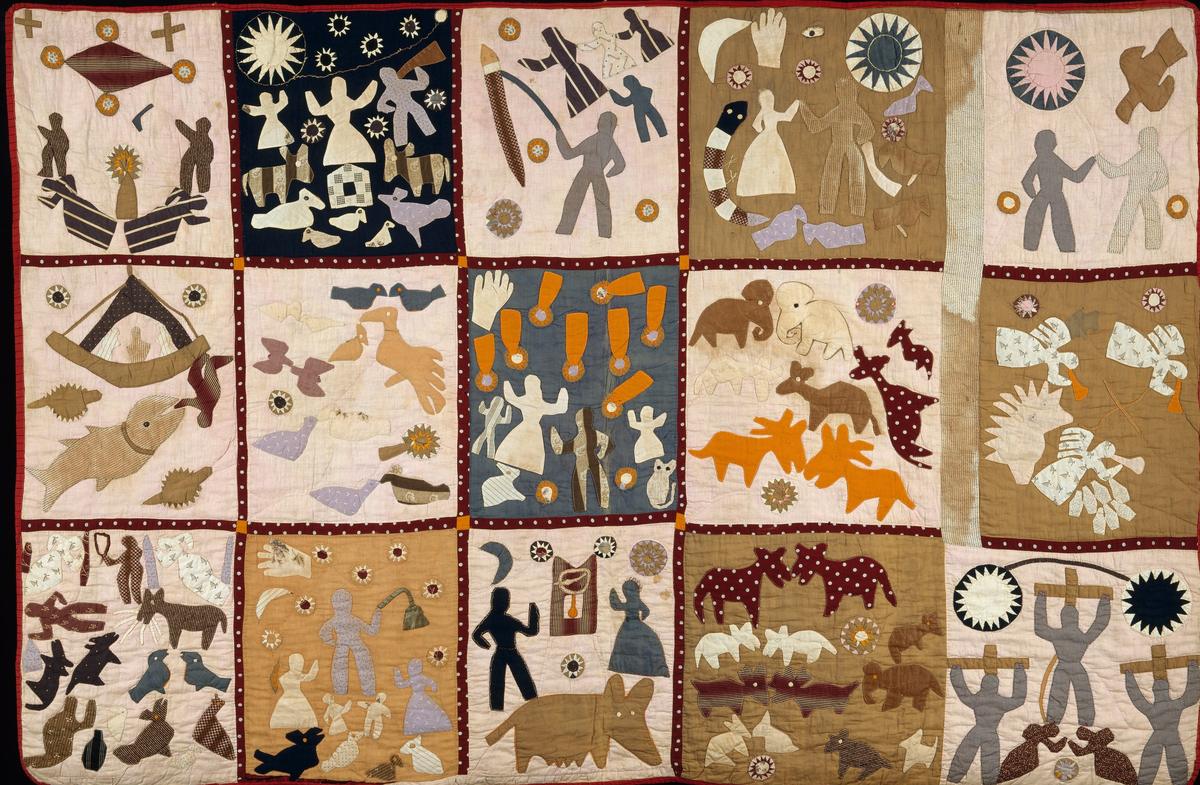
Powers' second surviving quilt, the Pictorial Quilt, was bought by faculty wives of Atlanta University as a gift for the Rev. Charles Cuthbert Hall. It is now at the Museum of Fine Arts, Boston.

These are documented works of Black women's quilting. What they mean is recorded in the maker's own words, and no code is involved. See them in the history of quilting.

Harriet Powers' Pictorial Quilt: fifteen panels of appliquéd people, animals, stars and suns
Harriet Powers, Pictorial Quilt, Athens, Georgia, 1895–98. Museum of Fine Arts, Boston · Public domain

1898 – 1999

Where the quilt code story came from

Legends gathered around the Underground Railroad early. The quilt code is one of the most recent.

1898

Siebert maps the routes, and legends grow

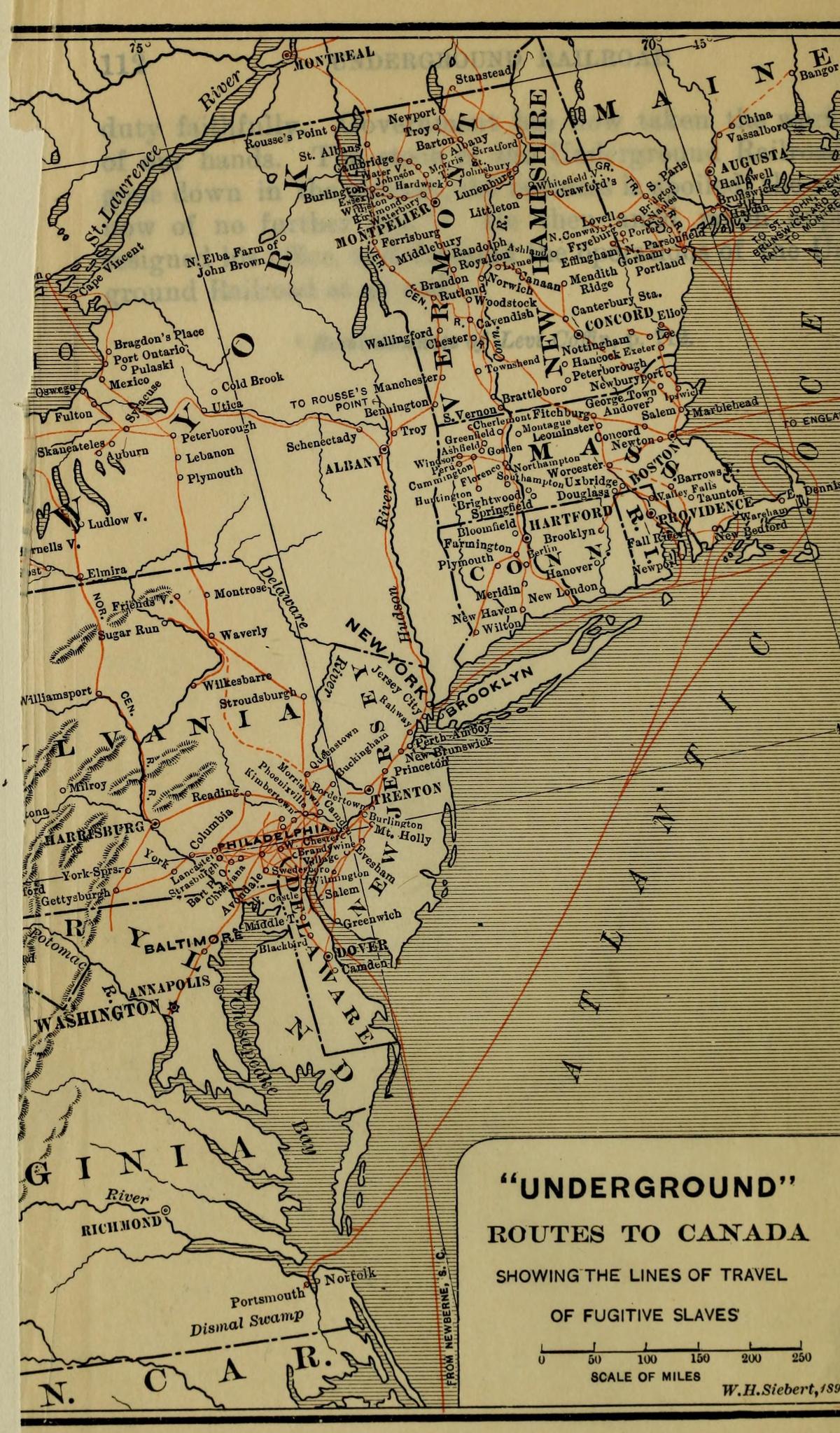
Ohio State historian Wilbur H. Siebert gathered reminiscences from aging abolitionists and in 1898 published The Underground Railroad from Slavery to Freedom, with a map of "underground" routes to Canada. His work saved much information but leaned on memories collected decades later.

Later historians, such as Larry Gara in The Liberty Line (1961), showed how the Underground Railroad picked up romantic legends: secret tunnels, hidden rooms and highly organized "lines." The quilt code is a much later addition to that same pattern of legend.

Part of an 1898 map of the eastern states with red lines marking routes north to Canada
Wilbur H. Siebert, "Underground" Routes to Canada (eastern part), 1898. Internet Archive · Public domain

1987

One line in a film

The earliest mention that quilt researcher Leigh Fellner found is one line of narration in Hearts and Hands, a 1987 documentary about women and quilts by Pat Ferrero: quilts were said to have been hung on clotheslines to mark safe houses. No source was given, and the companion book does not repeat it.

1989 – 1993

An exhibit and a children's book

In 1989–90, folklorist Gladys-Marie Fry's exhibit and book Stitched from the Soul said quilts with black in them were hung to mark safe houses, again without a source.

In 1993, Deborah Hopkinson's picture book Sweet Clara and the Freedom Quilt, a work of fiction, told of a girl who stitches a map into a quilt.

1999

Hidden in Plain View

In the 1990s, Jacqueline Tobin, a Colorado college instructor, met Ozella McDaniel Williams, an older Black woman selling quilts in Charleston, South Carolina, who told her a family story of a code of quilt blocks. With art historian Raymond G. Dobard of Howard University, Tobin published Hidden in Plain View: A Secret Story of Quilts and the Underground Railroad (Doubleday, 1999).

In Williams' sequence, Monkey Wrench meant gather tools, Wagon Wheel meant pack for a journey, Bear's Paw meant follow a mountain trail, and Log Cabin, Crossroads, Flying Geese, Drunkard's Path and others gave further instructions. The authors called it oral history; Dobard later described the book as "informed conjecture." It became a bestseller, was featured on Oprah Winfrey's show, and the story entered classrooms, quilt kits and museum programs.

2001 – today

What historians found

2001 – 2007

Historians check the record

Giles R. Wright, director of the Afro-American History Program at the New Jersey Historical Commission, wrote a critique in 2001: no narrative by a formerly enslaved person, no diary and no 1930s WPA interview mentions quilt codes, and the book presents family folklore as fact.

Quilt historians Barbara Brackman (Facts & Fabrications, 2006), Leigh Fellner, Kris Driessen and Kimberly Wulfert reached the same conclusion. Fellner found at least 15 contradictory versions of the code circulating by 2005, and code lists that include 20th-century patterns such as Double Wedding Ring, Dresden Plate and Sunbonnet Sue. In 2007, when a planned Frederick Douglass memorial in Central Park included a granite "code" quilt, Yale historian David Blight called the story "a piece of folklore largely invented in the 1990s."

Today

Why the story endures, and how to tell it

The International Quilt Museum describes the code as a folk story from one family, with no additional evidence found by historians. Folklorist and quilt historian Laurel Horton told NPR in 2024 that the conditions of quilts and slavery contradict the story, but that it appeals because it gives people the idea of agency. That agency was real: the people who escaped were, in historian Fergus Bordewich's words, "enterprising and well informed."

The respectful way to tell it: share it as a 20th-century family story, explain the evidence, and then tell the true and more remarkable history of people who freed themselves, and of the Black women whose quilts survive.

Quilt code myths and facts

These stories are told in good faith in classrooms, libraries and quilt guilds. Here is what the record shows.

No evidence

Enslaved people used a secret code of quilt patterns to escape on the Underground Railroad.

The story first appears in 1987, in one line of the film Hearts and Hands, and became popular through Hidden in Plain View (1999), based on one family's account given in the 1990s. No 19th-century narrative, letter, memoir, newspaper or 1930s WPA interview mentions it. Tell it as a modern family story, not history.

Myth

Harriet Tubman used the quilt code.

The National Park Service says Tubman "never used the quilt code because the quilt code is a myth." She relied on trusted people, disguises, letters, rivers, the stars and two songs.

Exaggerated

Harriet Tubman freed 300 people in 19 trips.

About 70 people in about 13 trips, plus instructions to about 70 more, says the Park Service; the 300 figure comes from Sarah Bradford's 1868 biography. The 1863 Combahee River raid, which she guided, freed more than 700 people, but that was a separate Civil War event.

No evidence

A Log Cabin quilt with a black center, hung on a line, marked a safe house.

No period source says so, and the versions disagree on which color meant what. Log Cabin quilts appear in writing from 1863, and none is securely dated before the 1860s, after the Underground Railroad's busiest years.

Mostly unproven

The block names in the code are old names enslaved people would have known.

Block names were rarely recorded before the 1880s–90s. Several "code" blocks are 20th-century: Double Wedding Ring was first published in 1928 and Dresden Plate dates from the late 1920s. The earliest printed Bear's Paw, about 1890, is a different design, and Monkey Wrench names at least four different blocks.

Not the reason

Historians reject the story only because enslaved people couldn't write it down.

Oral history is real evidence, and historians use it: the 1930s WPA interviews are oral history. The problem is that no oral history from people who actually escaped mentions quilt codes, and the one family source appeared in the 1990s, after the 1987 film and the 1993 picture book.

The blocks in the story

Every block named in the story is a real, much-loved pattern with its own history. Sew them for what they are.

Underground Railroad quilt questions

Is the Underground Railroad quilt code real?

There is no evidence that it is. No 19th-century narrative, letter, memoir or newspaper, and none of the 1930s interviews with formerly enslaved people, mentions quilts used as signals. The story first appears in 1987 and became widely known through the 1999 book Hidden in Plain View. It is best told as a modern family story, not as history.

What quilt patterns were used on the Underground Railroad?

None is documented as a signal. The 1999 story names Monkey Wrench, Wagon Wheel, Bear's Paw, Log Cabin, Crossroads, Flying Geese, Drunkard's Path and others, but no record from the time links any quilt pattern to an escape. Some of those patterns, like Flying Geese, were sewn in the 1840s; others, like the Log Cabin, appear only from the 1860s, and some later code lists include 20th-century blocks.

Did Harriet Tubman use quilts?

No. The National Park Service says Tubman "never used the quilt code because the quilt code is a myth." She relied on trusted helpers, disguises, letters written for her, rivers, the North Star and two songs whose tempo signaled danger or safety.

Where did the quilt code story come from?

The earliest known mention is one line of narration in Hearts and Hands, a 1987 film. Gladys-Marie Fry's Stitched from the Soul (1989–90) and the picture book Sweet Clara and the Freedom Quilt (1993) followed. The full code came from Ozella McDaniel Williams, who told it to Jacqueline Tobin in the 1990s as a family story, and it was published in Hidden in Plain View (1999).

How did freedom seekers really find their way?

Mostly by their own planning and courage, with help from free Black communities, abolitionists and Quakers, often only near the end. William Still's 1872 records describe people guided by the North Star, hidden in boxes and chests, aboard steamers, in small boats and in disguise. Harriet Tubman used trusted helpers, rivers, letters and songs.

Is Sweet Clara and the Freedom Quilt a true story?

No. Deborah Hopkinson's 1993 picture book is a work of fiction about a girl who stitches a map into a quilt. It appeared before Hidden in Plain View and is often read alongside it in classrooms.

Are there real quilts by women born into slavery?

Yes. Harriet Powers, born into slavery in Georgia in 1837, made the Bible Quilt (1885–86), now at the Smithsonian, and the Pictorial Quilt (1895–98), now at the Museum of Fine Arts, Boston. Her own explanations of the Bible Quilt's scenes were written down in 1891, so what it means is recorded in her words.

More quilt history

Sources and image credits

  1. National Park Service: Underground Railroad, Network to Freedom
  2. National Park Service: Harriet Tubman Underground Railroad Byway, Myths & Facts (PDF)
  3. National Park Service: Harriet Tubman
  4. National Park Service: William Still's The Underground Railroad (1872)
  5. William Still, The Underground Rail Road (1872), Internet Archive
  6. Indiana State Museum: Levi & Catharine Coffin State Historic Site
  7. Reminiscences of Levi Coffin (1880 edition), Internet Archive
  8. Library of Congress: The Resurrection of Henry Box Brown at Philadelphia (1850)
  9. Wilbur H. Siebert, The Underground Railroad from Slavery to Freedom (1898), Internet Archive
  10. Larry Gara, The Liberty Line: The Legend of the Underground Railroad (1961), Internet Archive
  11. Fergus M. Bordewich, "History's Tangled Threads," New York Times, Feb. 2, 2007
  12. Leigh Fellner, Betsy Ross Redux: The Underground Railroad "Quilt Code" (archived)
  13. Leigh Fellner, quoting Barbara Brackman's Quilts from the Civil War (archived)
  14. Leigh Fellner, More "code" blocks (archived)
  15. University of Nebraska-Lincoln (2006): the 1987 video as the earliest mention
  16. Open Library: Hidden in Plain View (Doubleday, 1999)
  17. National Geographic (2004): Did Quilts Hold Codes to the Underground Railroad?
  18. Time (2007), Stacie Stukin (archived)
  19. Yale Daily News (2007): David Blight on the Douglass memorial (archived)
  20. New York Times (Jan. 23, 2007): the Central Park quilt plan
  21. International Quilt Museum: Underground Railroad Quilts?
  22. NPR (Mar. 3, 2024): The enduring story for Underground Railroad quilts
  23. Barbara Brackman, Encyclopedia of Pieced Quilt Patterns (her pattern blog)
  24. Art Institute of Chicago: "Log Cabin" Quilt, dated by style 1825/50
  25. New Georgia Encyclopedia: Harriet Powers (Ashley Callahan)
  26. Smithsonian National Museum of American History: Harriet Powers's Bible Quilt
  27. The Met: Quilt, Flying Geese pattern, about 1840–50
  28. The Met: Wild Goose Chase Quilt, 1851
  29. The Met: Quilt, Log Cabin pattern, about 1865
  30. Wikipedia: Quilts of the Underground Railroad (overview and citations)

Every picture is in the public domain or released under CC0: photographs and prints from the Library of Congress, book scans from the Internet Archive (Boston Public Library and University of California copies), and quilts from the Metropolitan Museum of Art, the Smithsonian's National Museum of American History and the Museum of Fine Arts, Boston. The quilts in Flying Geese, Wild Goose Chase and Log Cabin patterns are shown with their true dates; none is known to have carried a message. Each caption names the object and links to its record.