1890s – 1930s
Wool and cotton crazy quilts
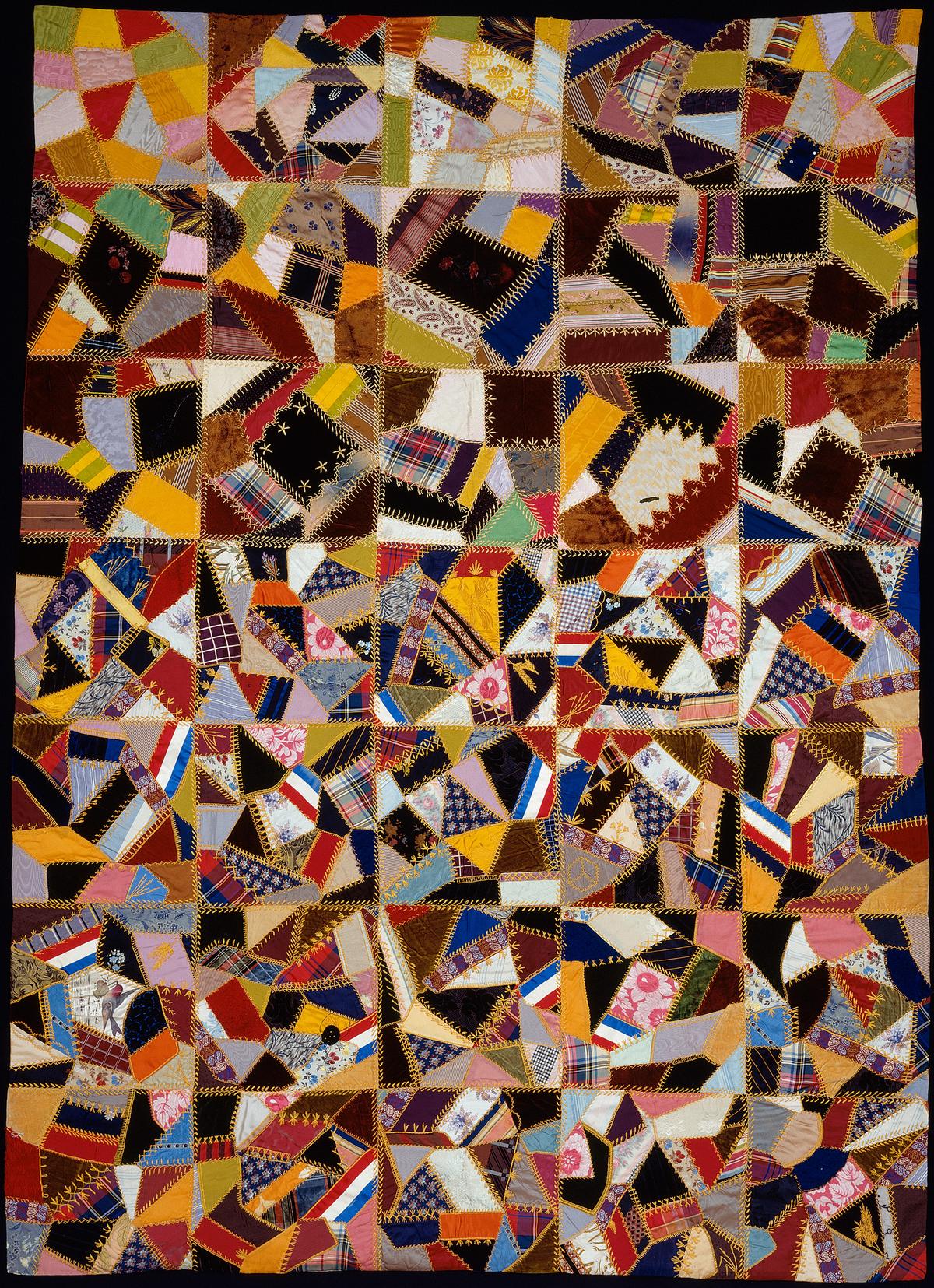
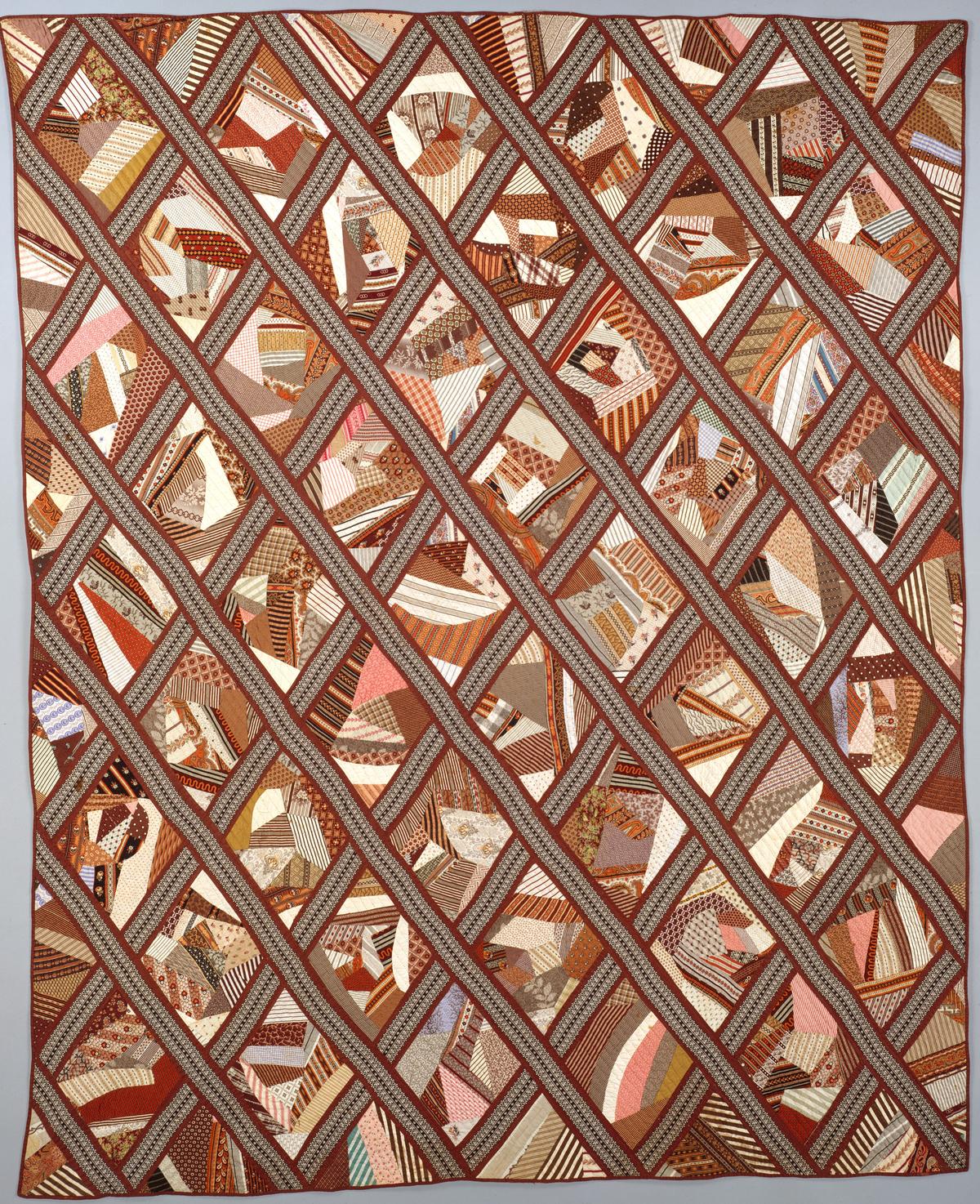
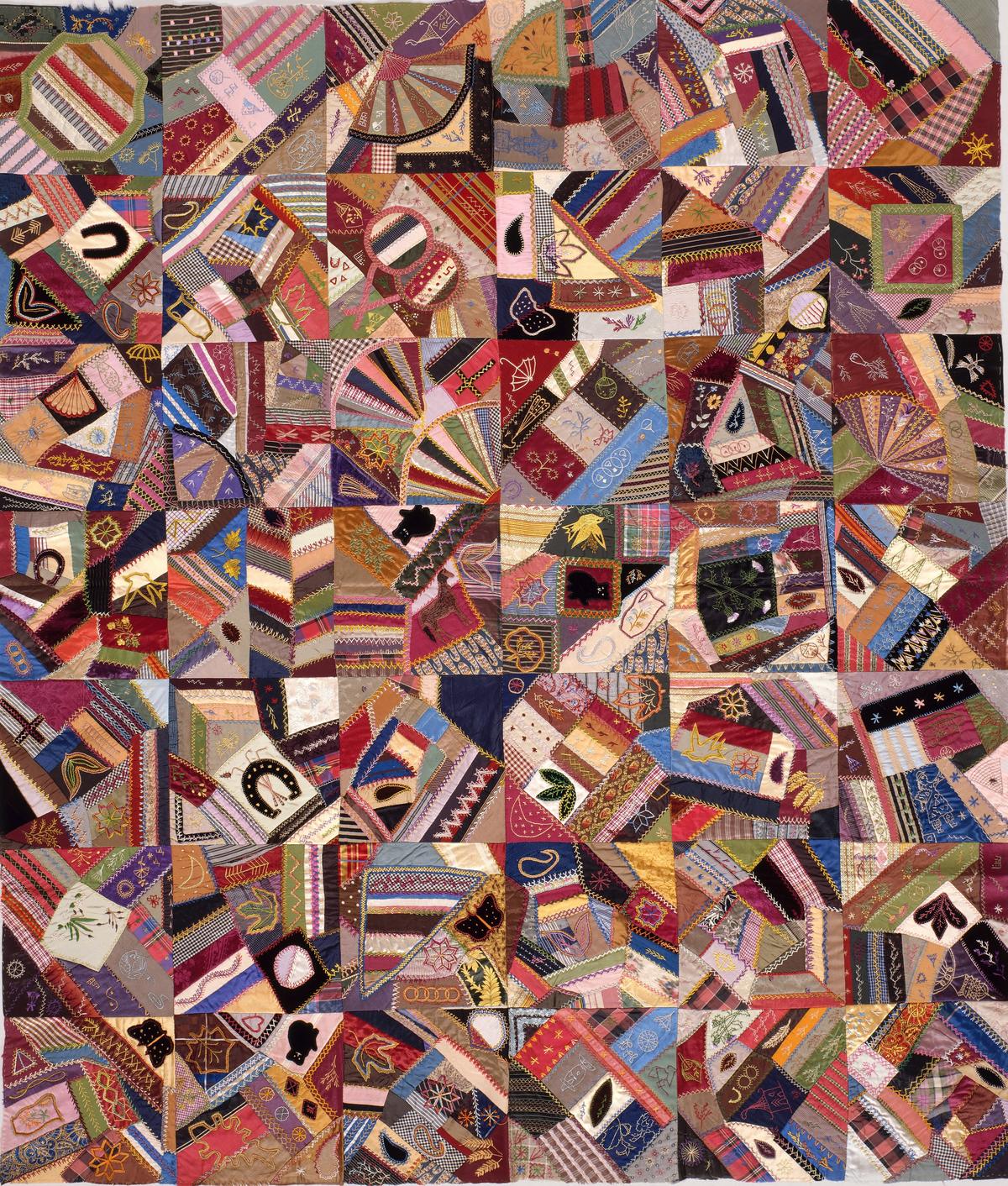
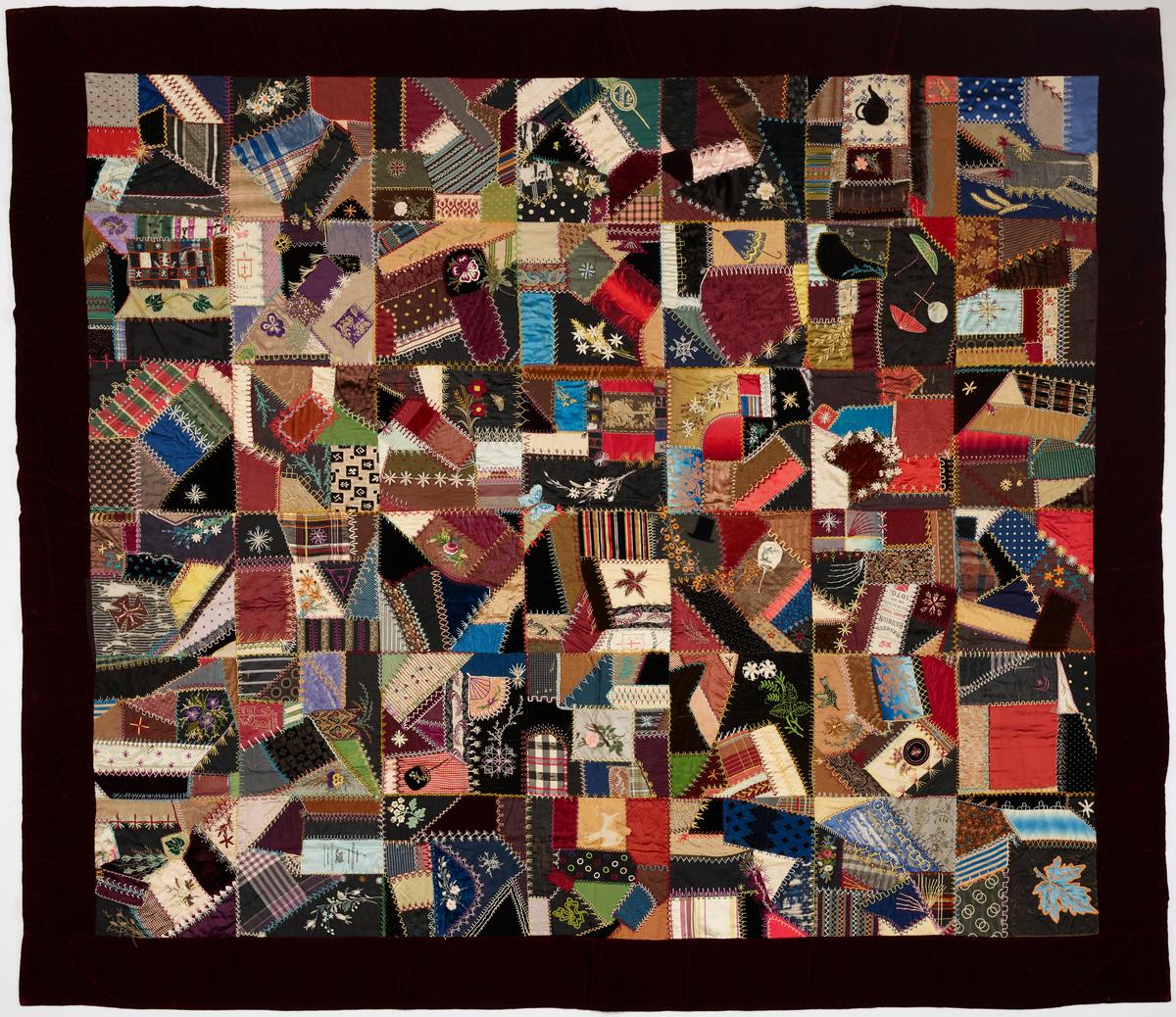
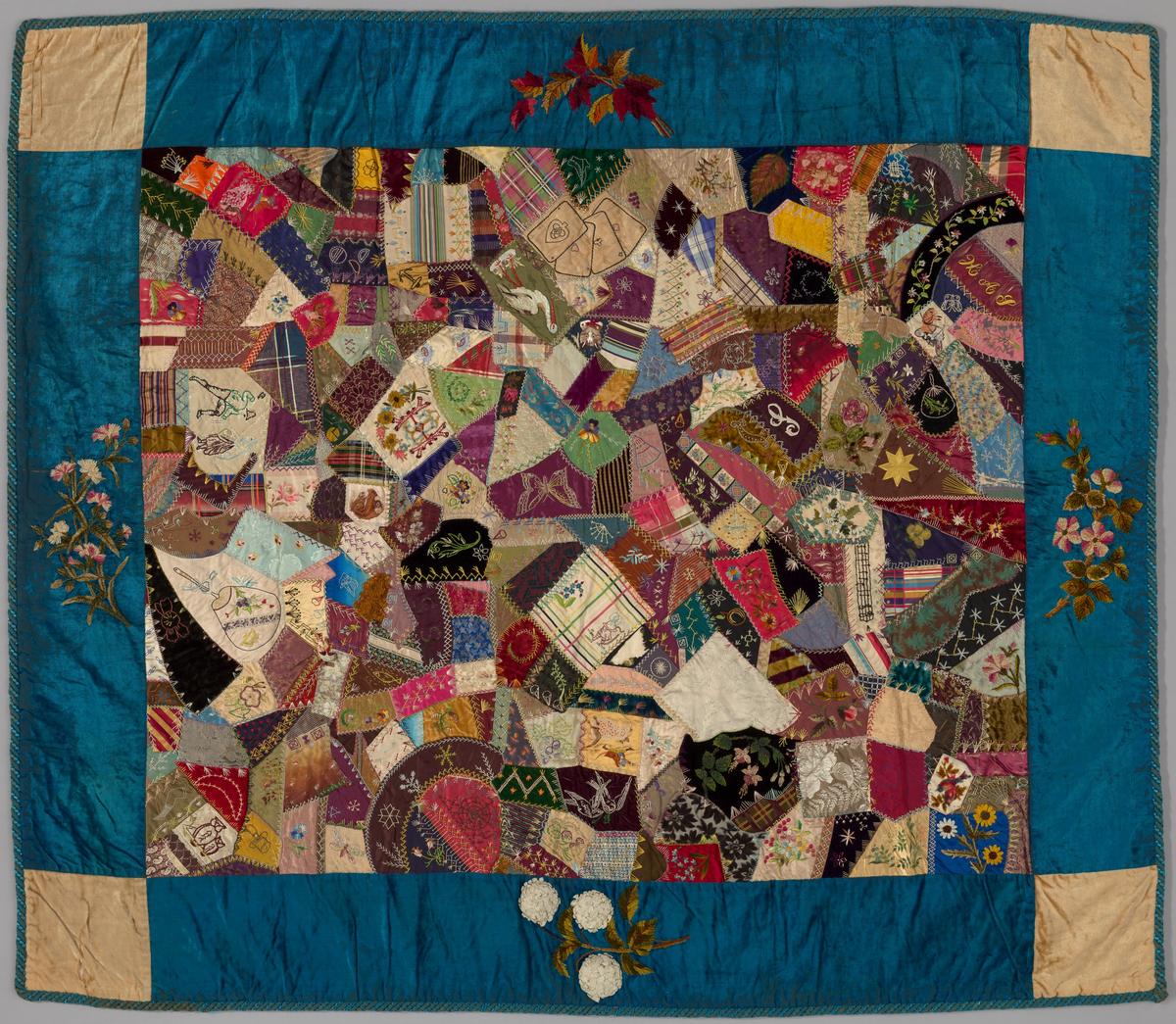
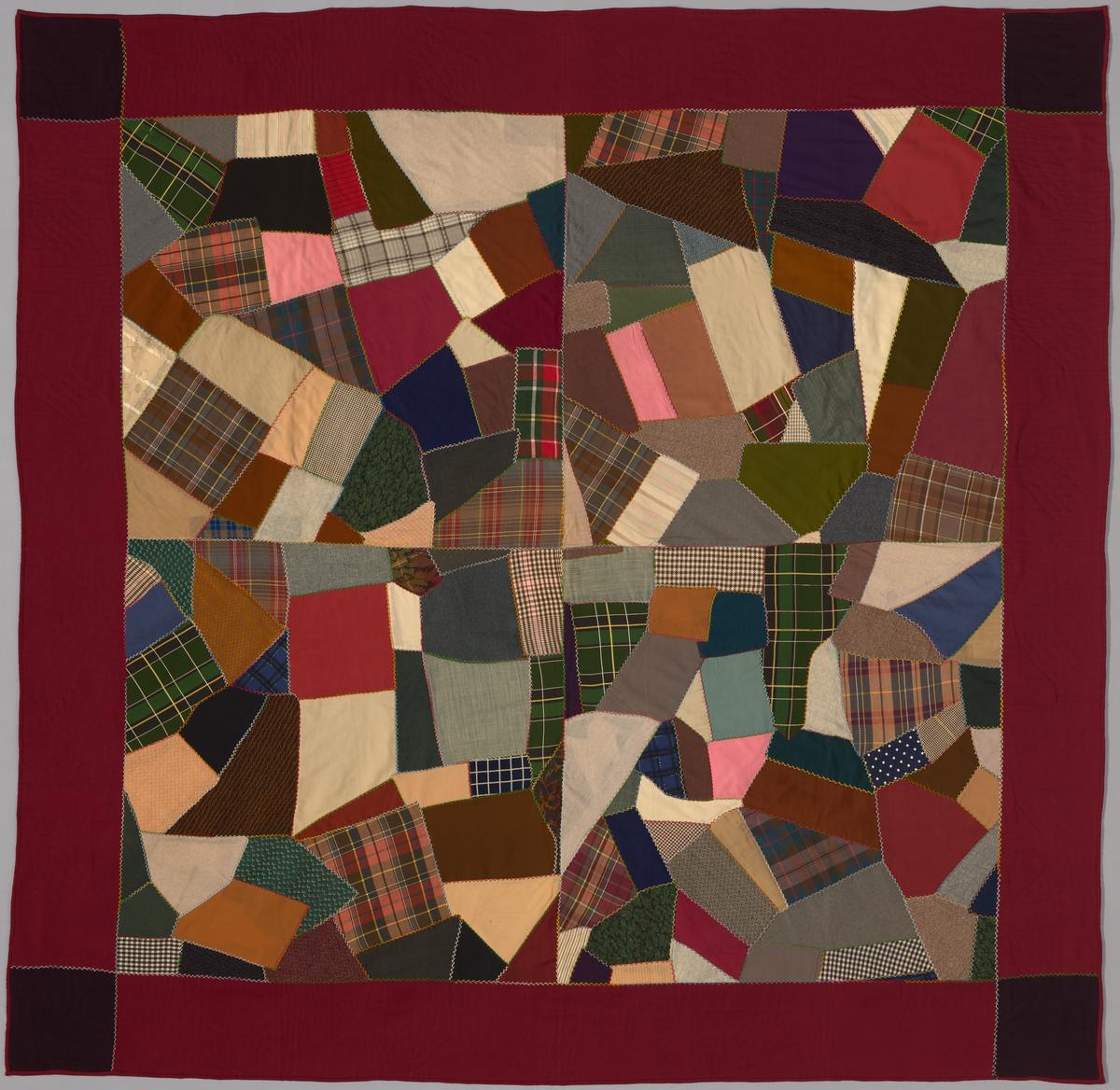
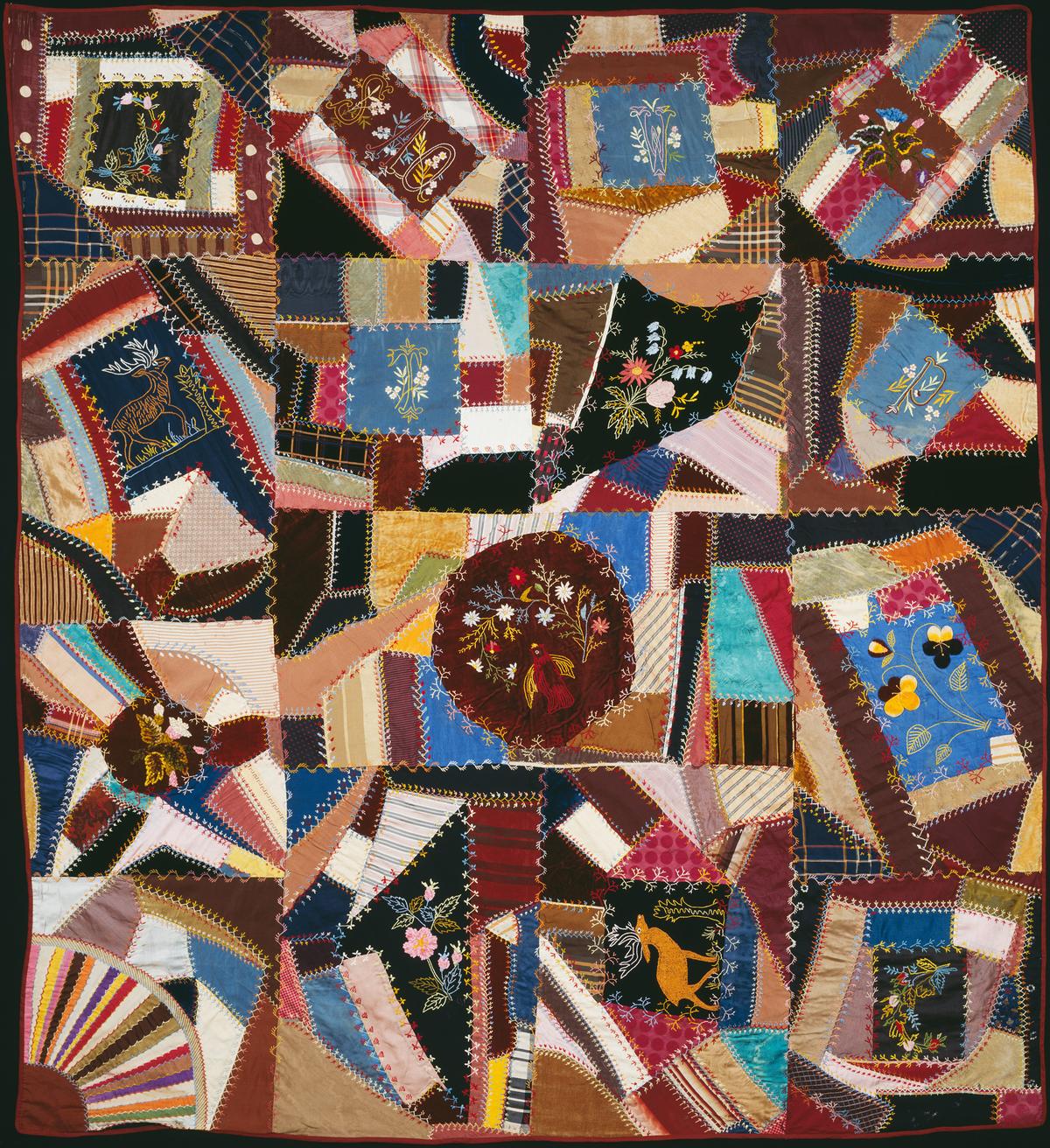
By 1890 Americans were also making humbler crazy quilts, large enough for beds, from durable wools and cottons, with little or no embroidery. Fabric printers even sold "cheater cloth" printed to look like crazy patchwork.
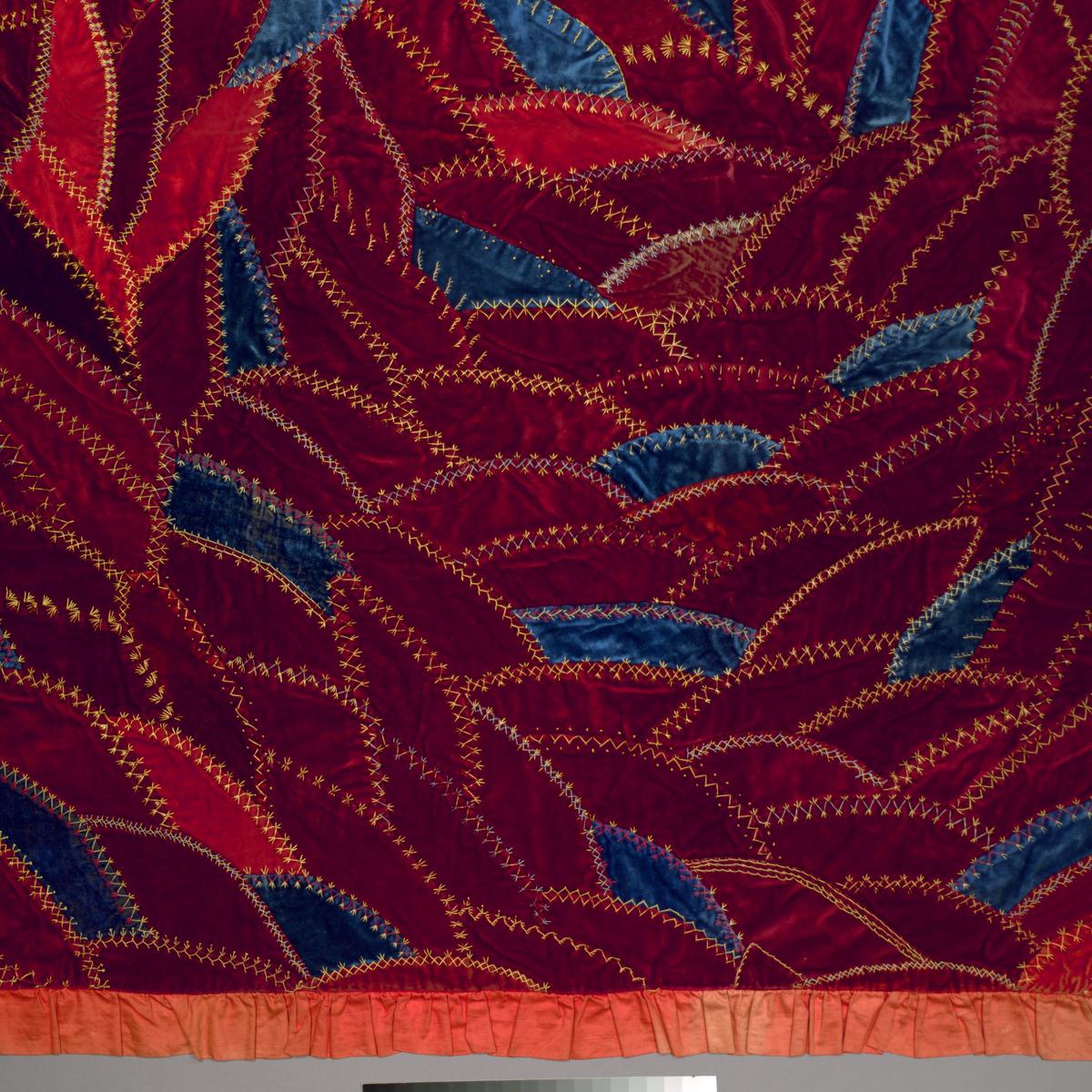
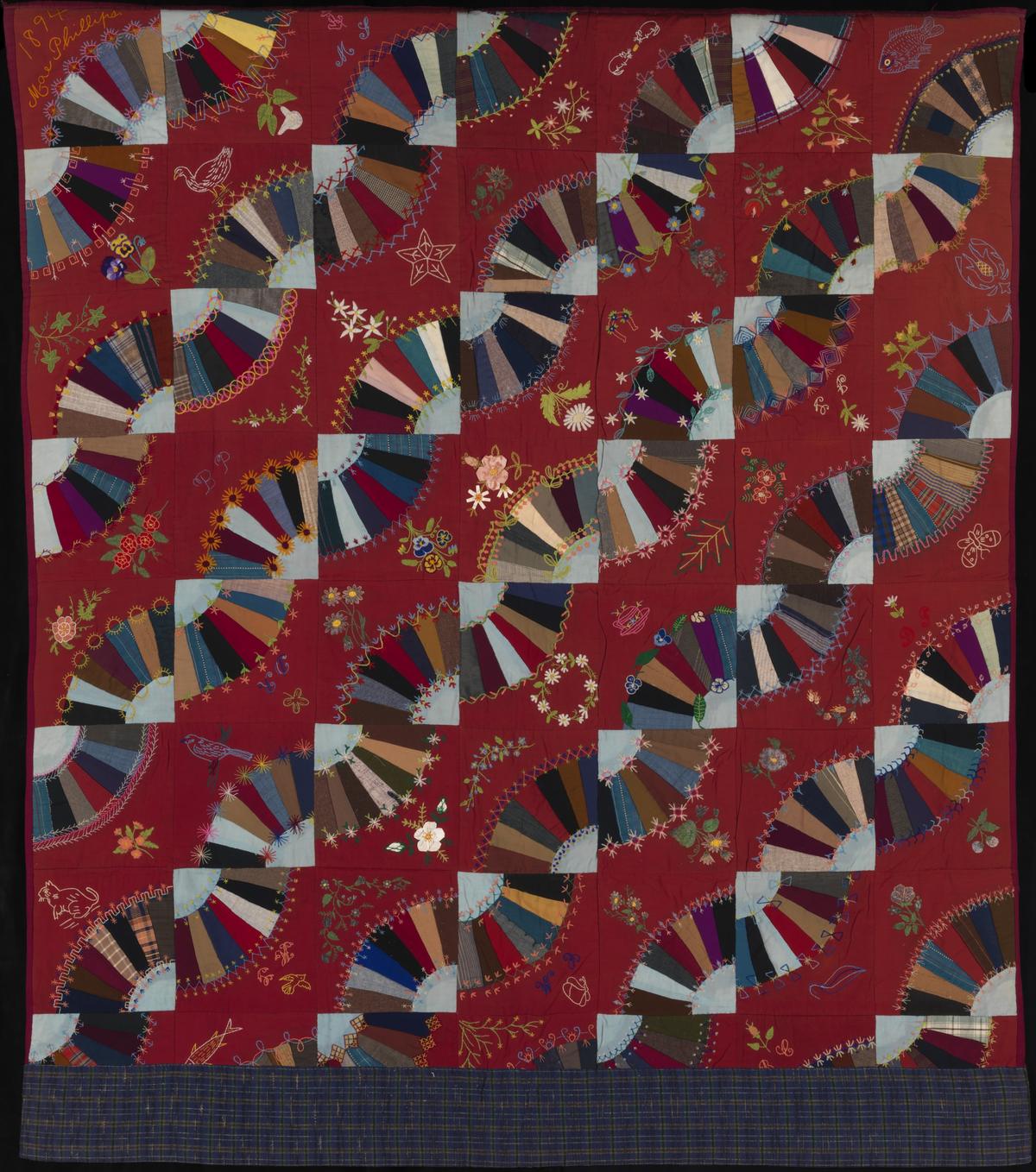
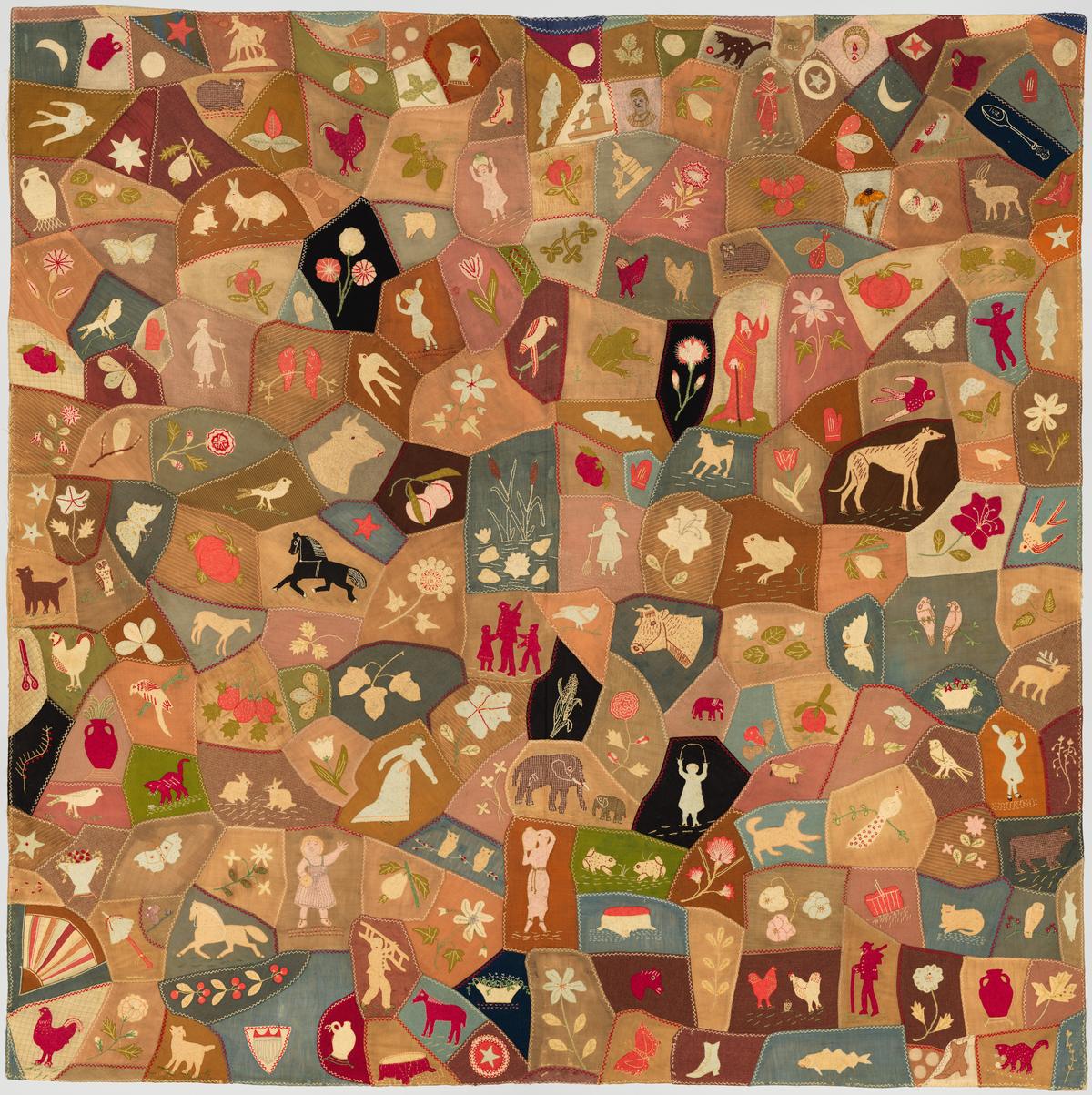
Wool crazy quilts were more common in the United States than in Britain and were usually made for use. Anne Chatterton pieced fans across a red wool ground in 1894; another maker cut an elephant, a rooster and a horse from wool. Mennonite and Amish quilters adapted the format too, from Pennsylvania to the Amish settlement at Arthur, Illinois. See Amish quilts.
About 1905 – 1916
Cigarette silks, a later fad
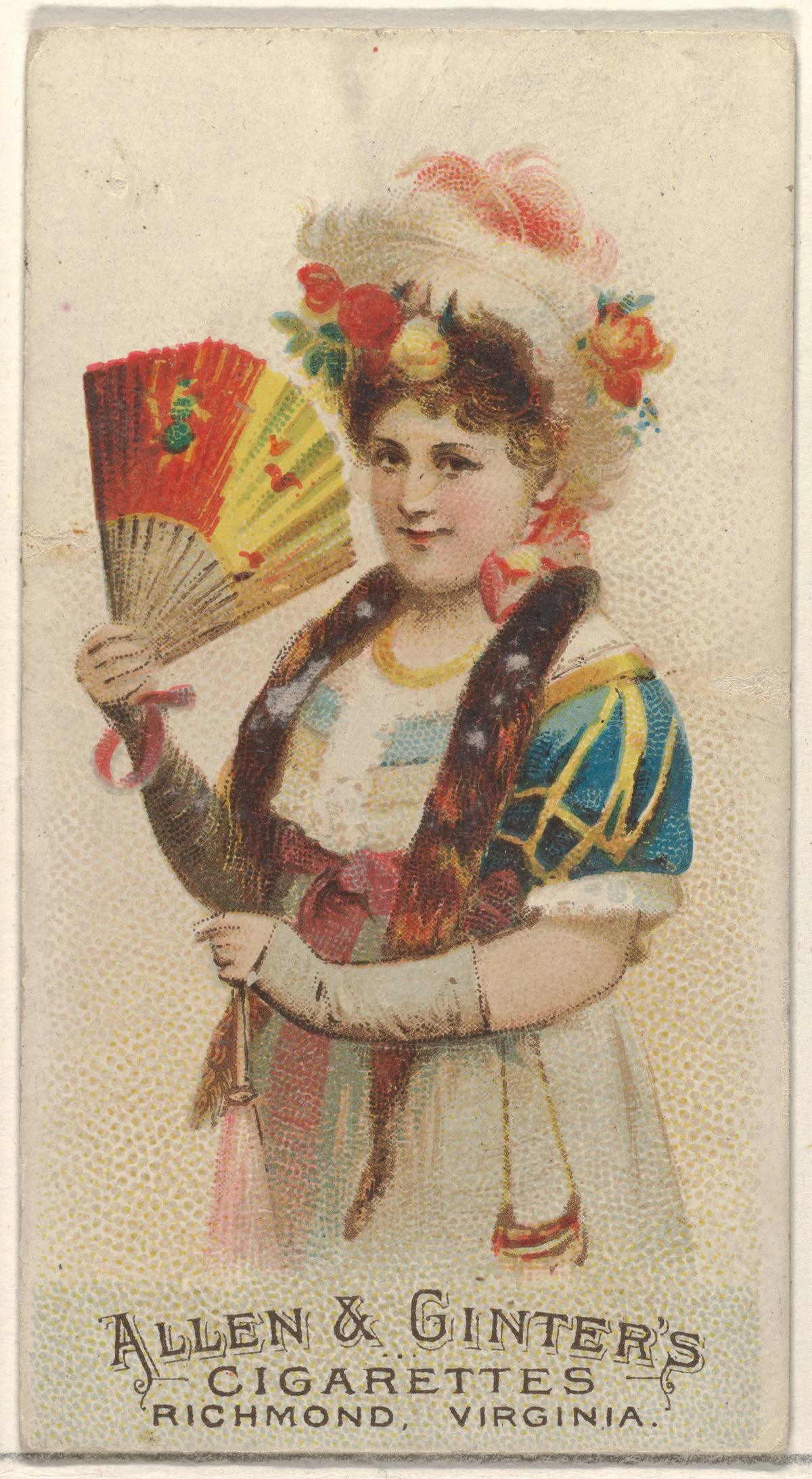
In the early 1900s tobacco companies packed small printed silks, and larger flannels and felts, into cigarette packs as collectible premiums, in series such as national flags, flowers and dog breeds. Women sewed them into quilts, pillow covers and table covers.
They are often mixed up with Victorian crazy quilts, but cigarette silks came a generation after the 1880s peak, though they were often combined with crazy-style piecing and embroidery.
About 1905 – 1916
1904 – 1905
Crazy quilts as autobiography
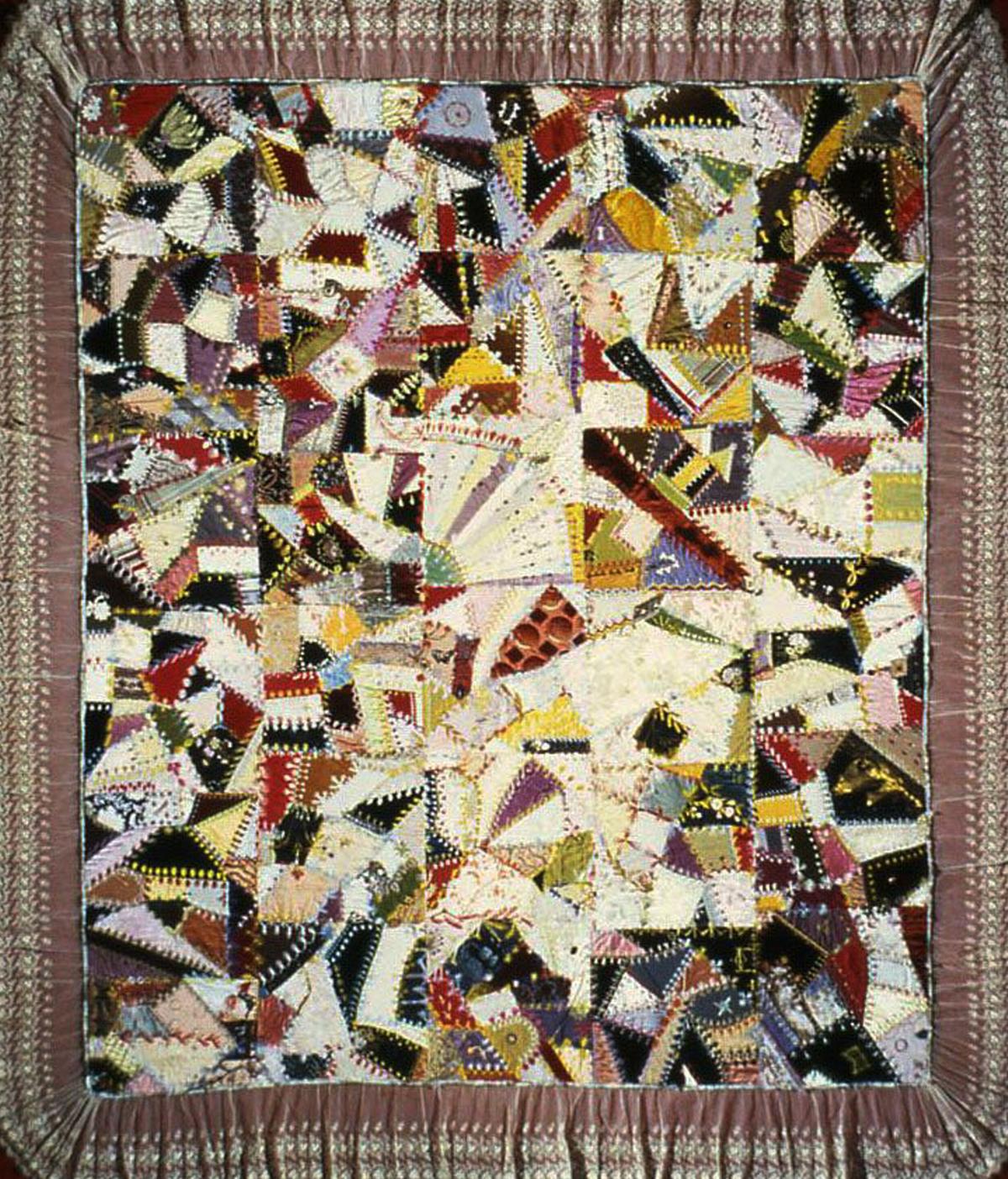
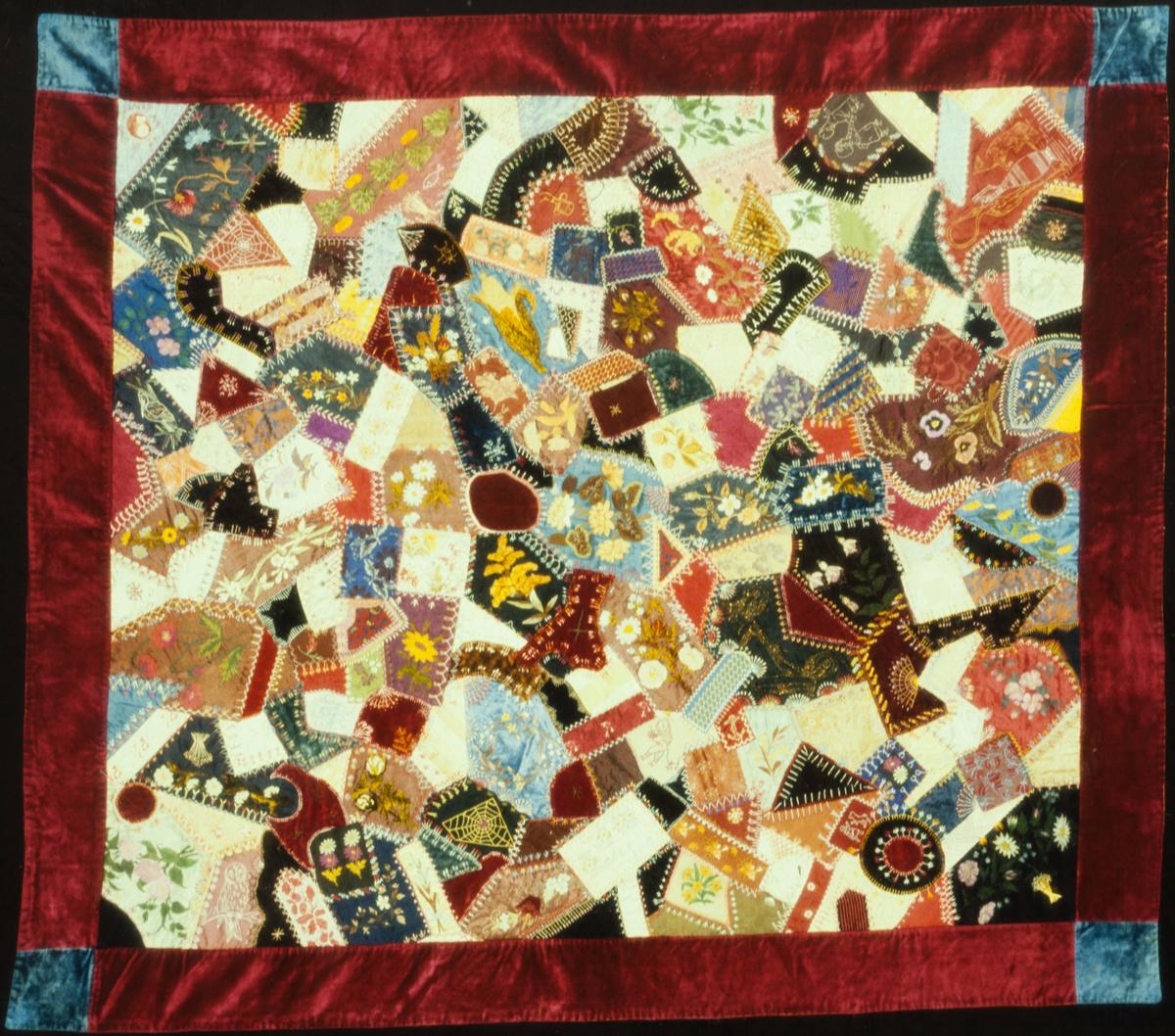
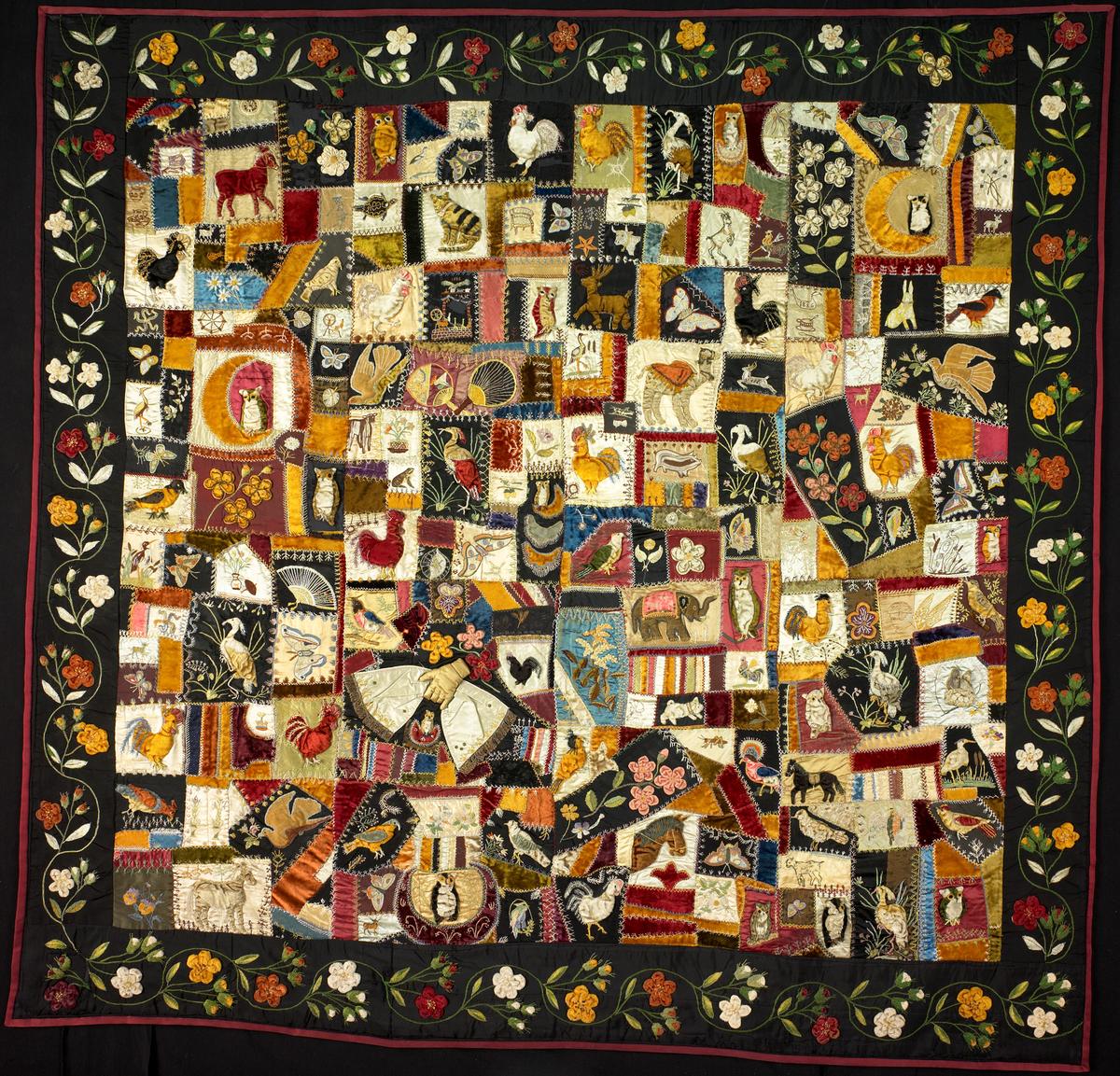
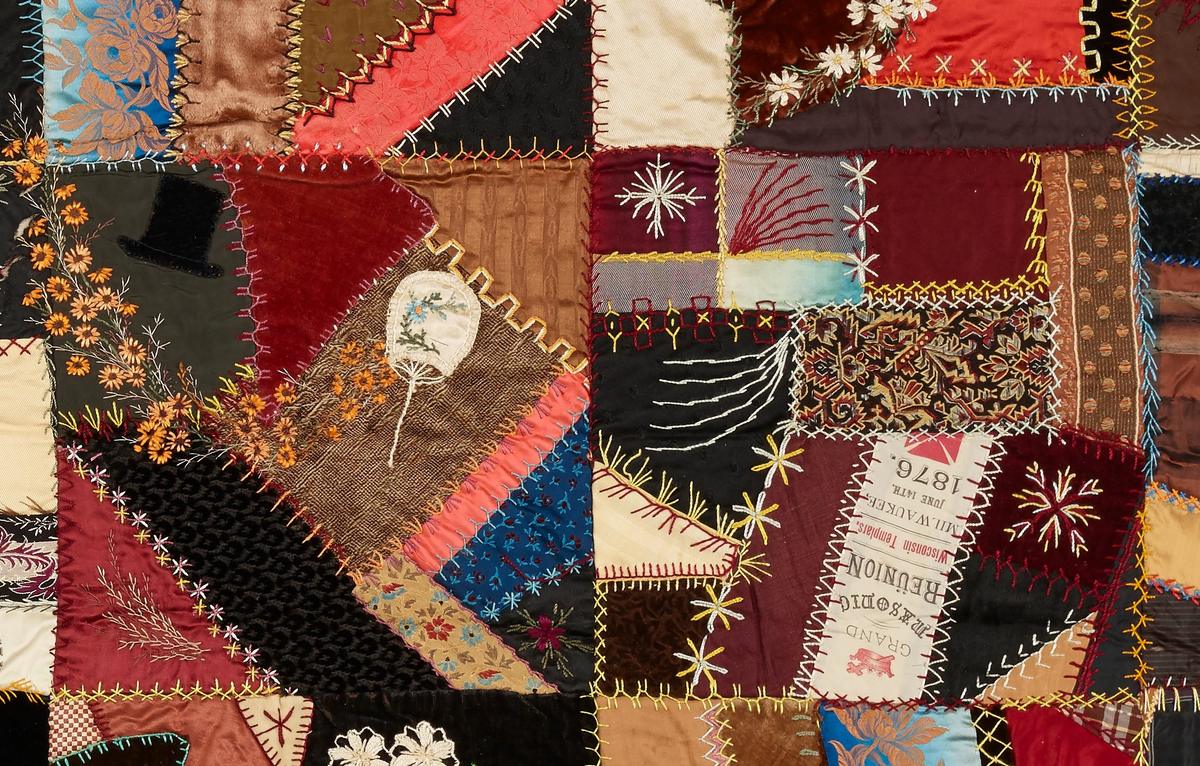
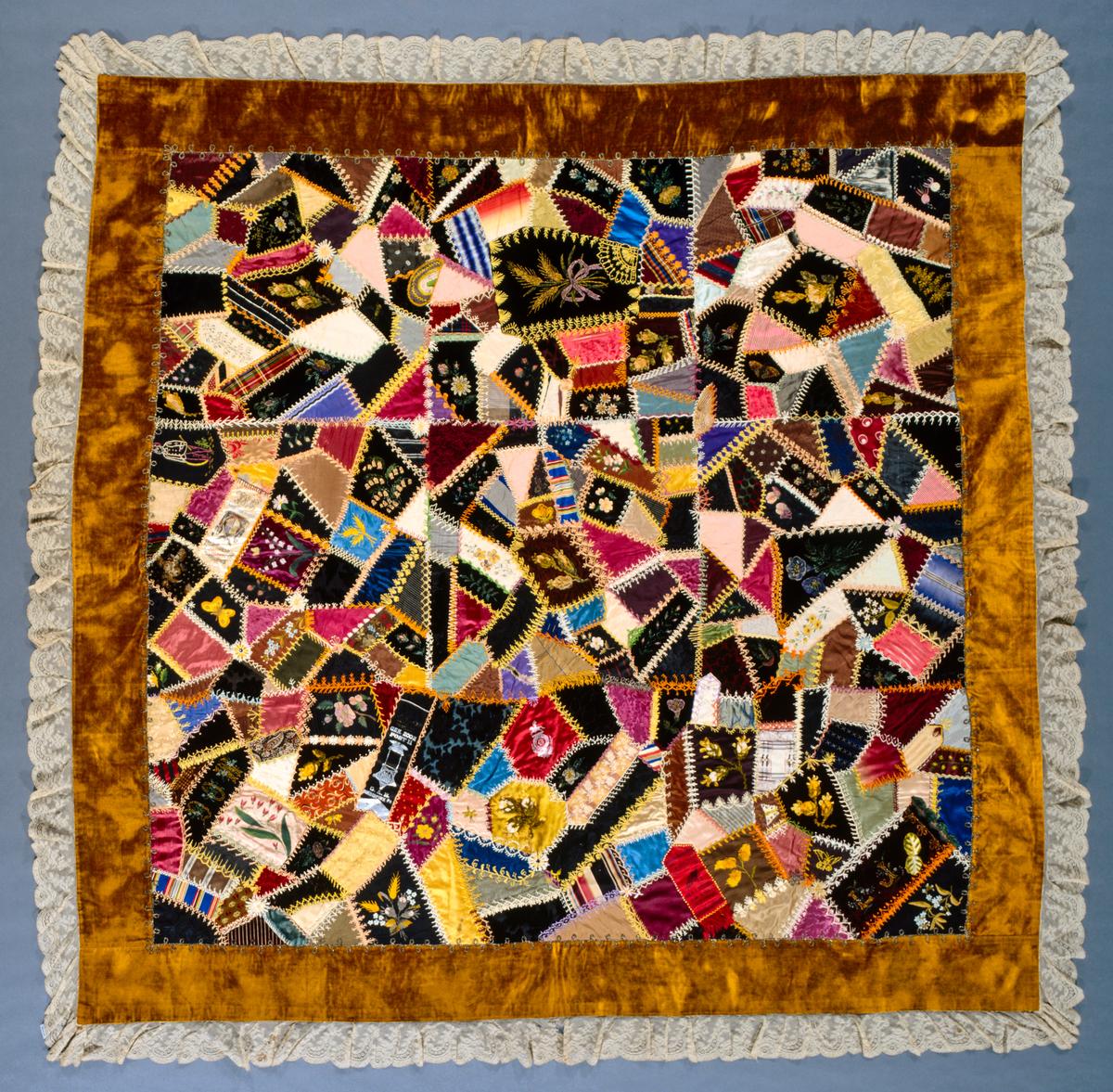
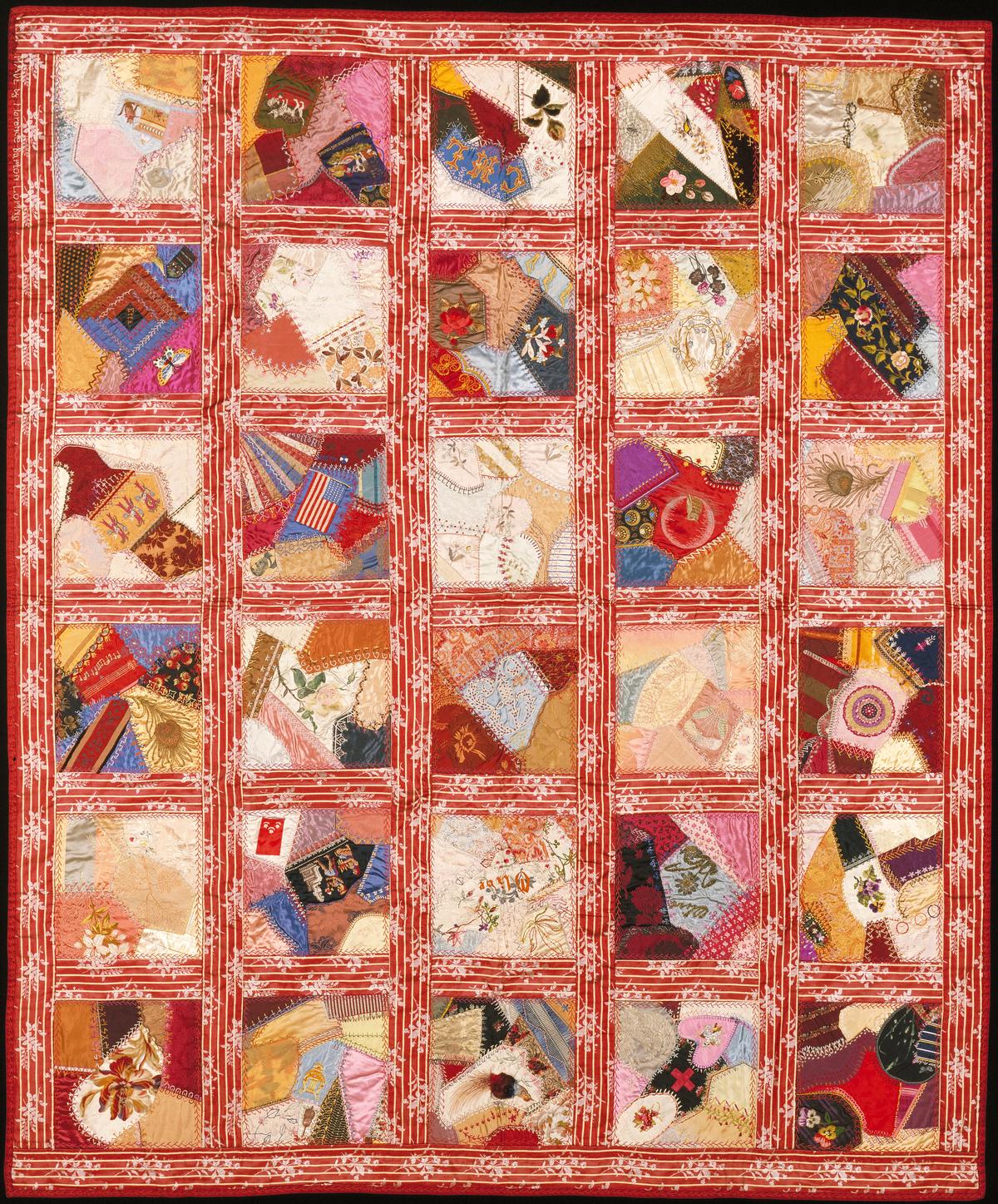
Even as the fad faded, makers kept using the form to record their lives. Florence Barton Loring of Minneapolis finished a silk crazy quilt by 1905 whose squares each refer to some part of her life; the Minneapolis Institute of Art calls it an embroidered biography.
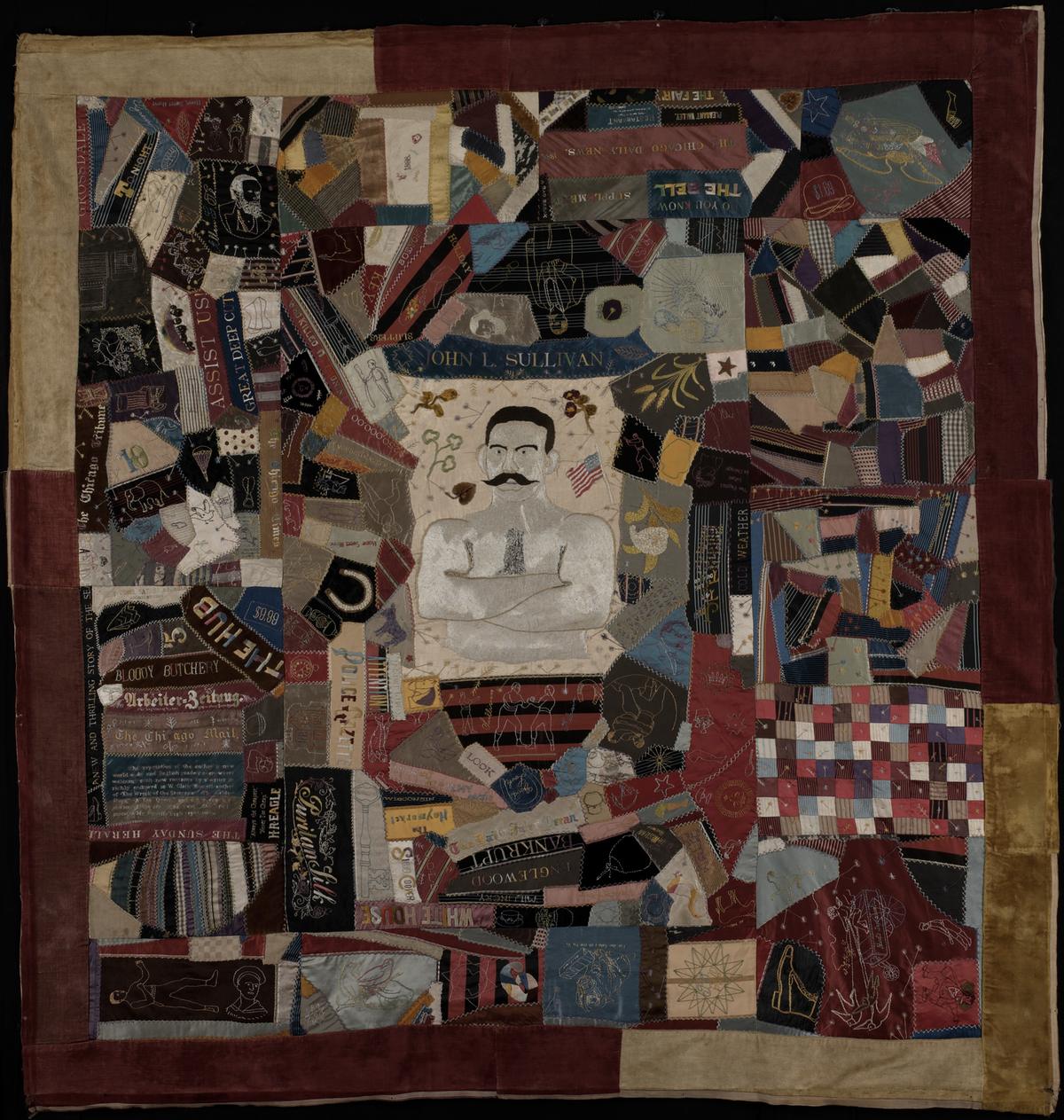
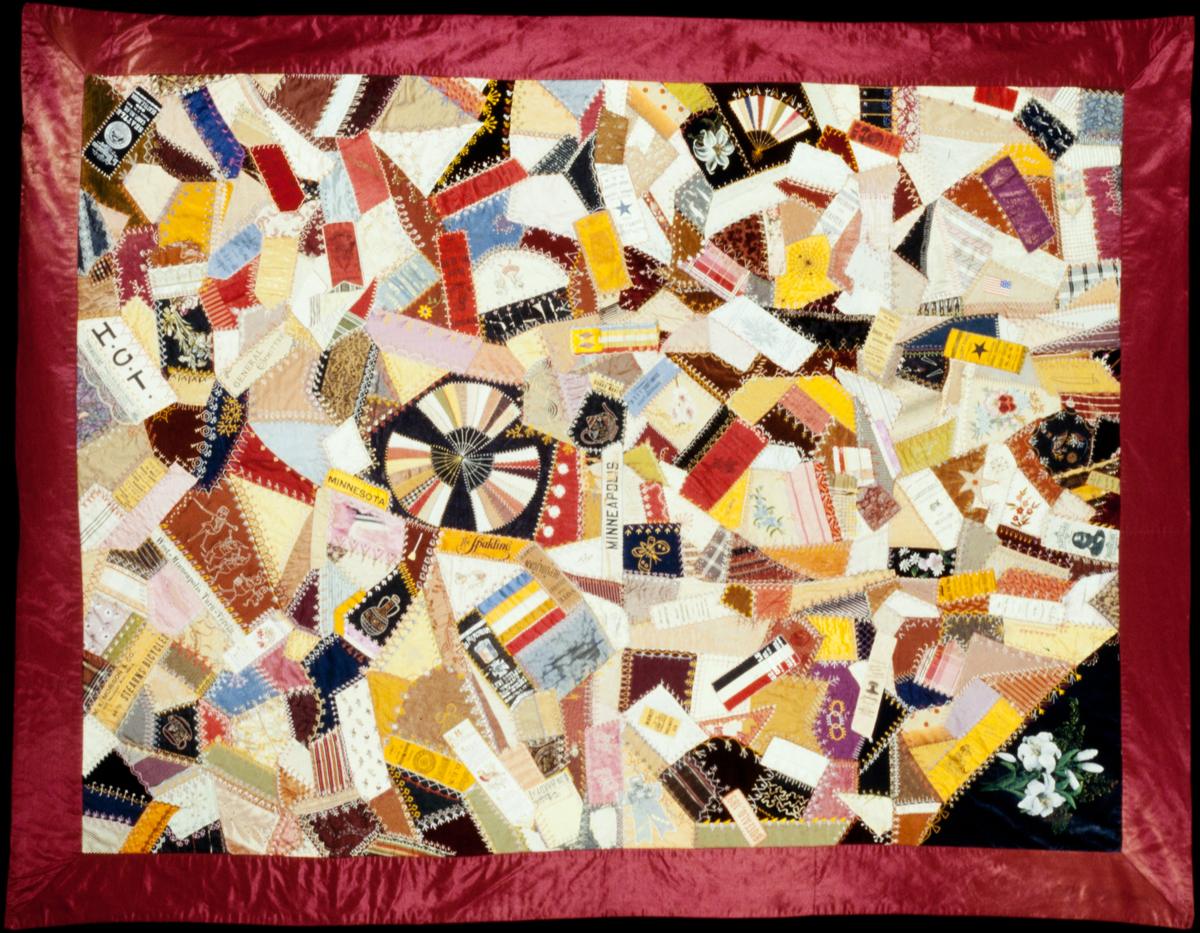
A 1904 quilt by Estelle Stuart gathers Minneapolis ribbons, including ones from the city's 1893 Harvest Festival.