People search full quilt designer or double quilt when the mattress is 54×75, not a queen. Quiltler uses 85×90 in the quilt sizes guide. Design in the studio. Fabric without a saved quilt: how much fabric for a full quilt, how much backing for a full quilt, how much binding for a full quilt. Twin is twin quilt designer; queen is queen quilt designer.
On this page
What this page actually plans
- 85×90, not 90×95. Five inches of queen width is a real column of blocks.
- Same studio as throwing a twin. Full is a size, not a different app.
- Sashing on a slightly shorter field. Quilt layout software still owns the strips.
- Two fabrics on free. Photograph what you own.
- FPP if the block is sharp. Link through foundation paper piecing when you need sheets.
Full beds are not leftover queens
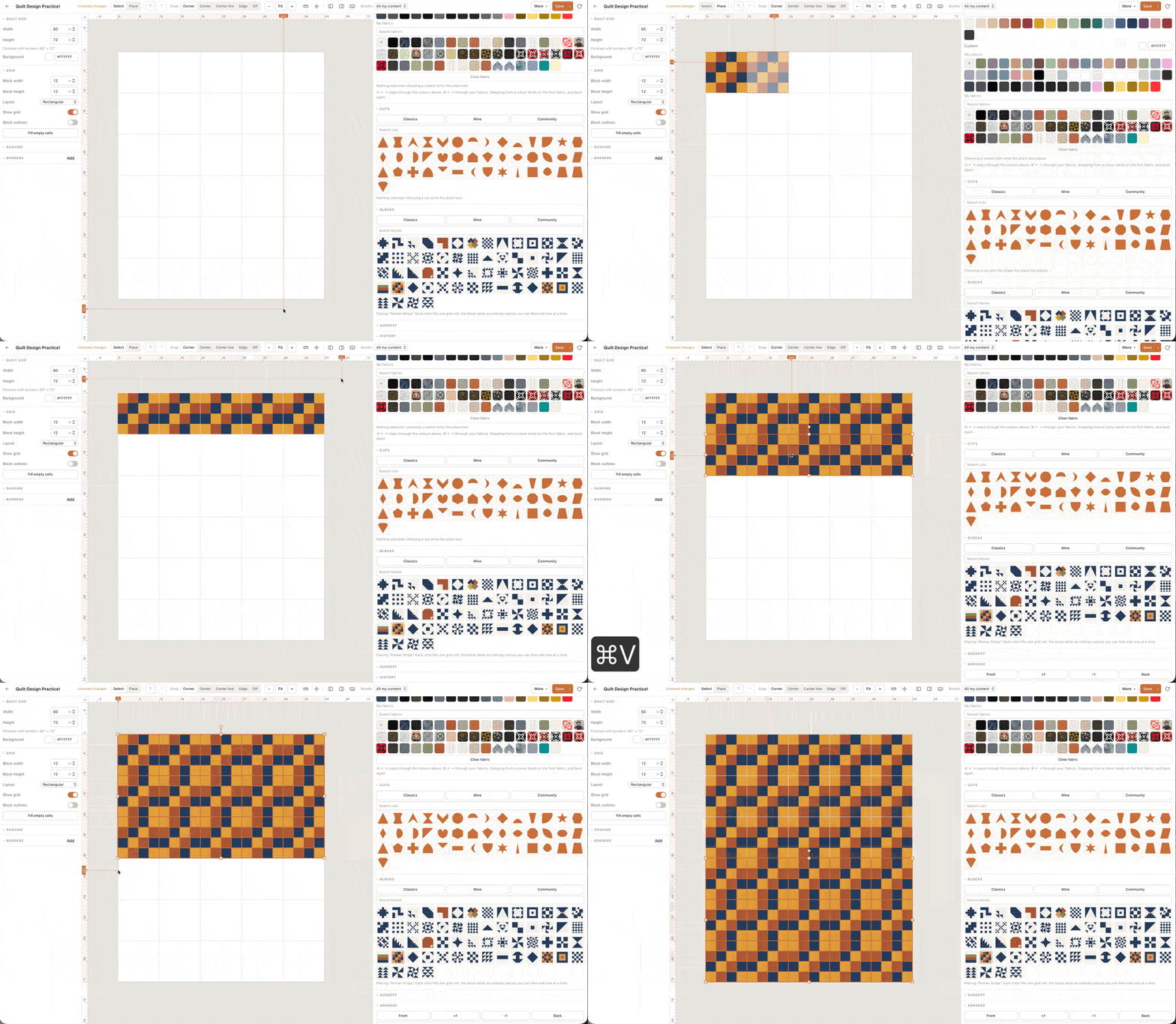
Antique frames and guest rooms still use full mattresses. If you design a queen and bind it onto a full bed, the extra width puddles on the floor. Set 85×90. Count blocks for that field.
Yardage is still piece-based. The how-much-fabric-for-a-full article is the rectangle jobs: backing, batting, binding. The top is the canvas.
One saved quilt should be the double you will sew. Guest-room fulls die when the file is a queen leftover. Type 85×90, then decide whether a 2-inch border is drop or decoration. Full backing at about 93 by 98 inches wants three panels of 42-inch cloth or wide goods — that is not a twin problem. Binding for this perimeter is on the full binding page; do not reuse a twin leftover without measuring. A rail-fence full can skip foundation paper piecing; a sharp centre star can still print FPP sheets from the pack after you subscribe. Two photographed fabrics plus solids are enough to prove value before you cut a stack the shop will not take back.
Full versus twin and queen
Twin is 70×90 — same length as full on this site, 15 inches narrower. Queen is 90×95. Full sits in the gap people forget when they only bookmark queen pages.
Borders that ‘almost make a queen’ should be a decision, not an accident. Watch finished size.
Backing at 85 inches
93 inches of back (with 4 inch extra) wants three 42 inch panels or wide goods. See how to piece quilt backing.
FPP remains available in the pack for units that need it; a rail-fence full does not.
Write the finished inches down, then open the matching backing, binding or batting answer if that size has one. Those pages do not replace the canvas: they cover the rectangle jobs. The pieced top is still counted in the studio. If one unit needs foundation paper piecing, the pack can print sheets after you subscribe; a nine-patch field does not. Keep the free limit in mind: one saved quilt and two photographed fabrics, plus solids, is enough to prove the plan before you cut a stack the shop will not take back.
Open the studio and type 85×90 before you stamp. Full design is that number, not a queen with the word full in the file name.