People search log cabin quilt planner when the quilt is a set of cabins. Quiltler is that set in the studio. One block’s construction is the log cabin quilt block page. Opposite-side logs are courthouse steps quilt planner. Colour roles are quilt color palette planner.
On this page
What this page actually plans
- Lights and darks are the design. Two photographed fabrics on free can be enough.
- The quilt is the rotation of the block. Barn raising is a layout choice.
- Log width is block size. Quilt block size planner.
- Sashing is optional and often omitted on cabins.
- FPP cabins exist; most strip cabins do not need foundation paper piecing.
One cabin is not a quilt
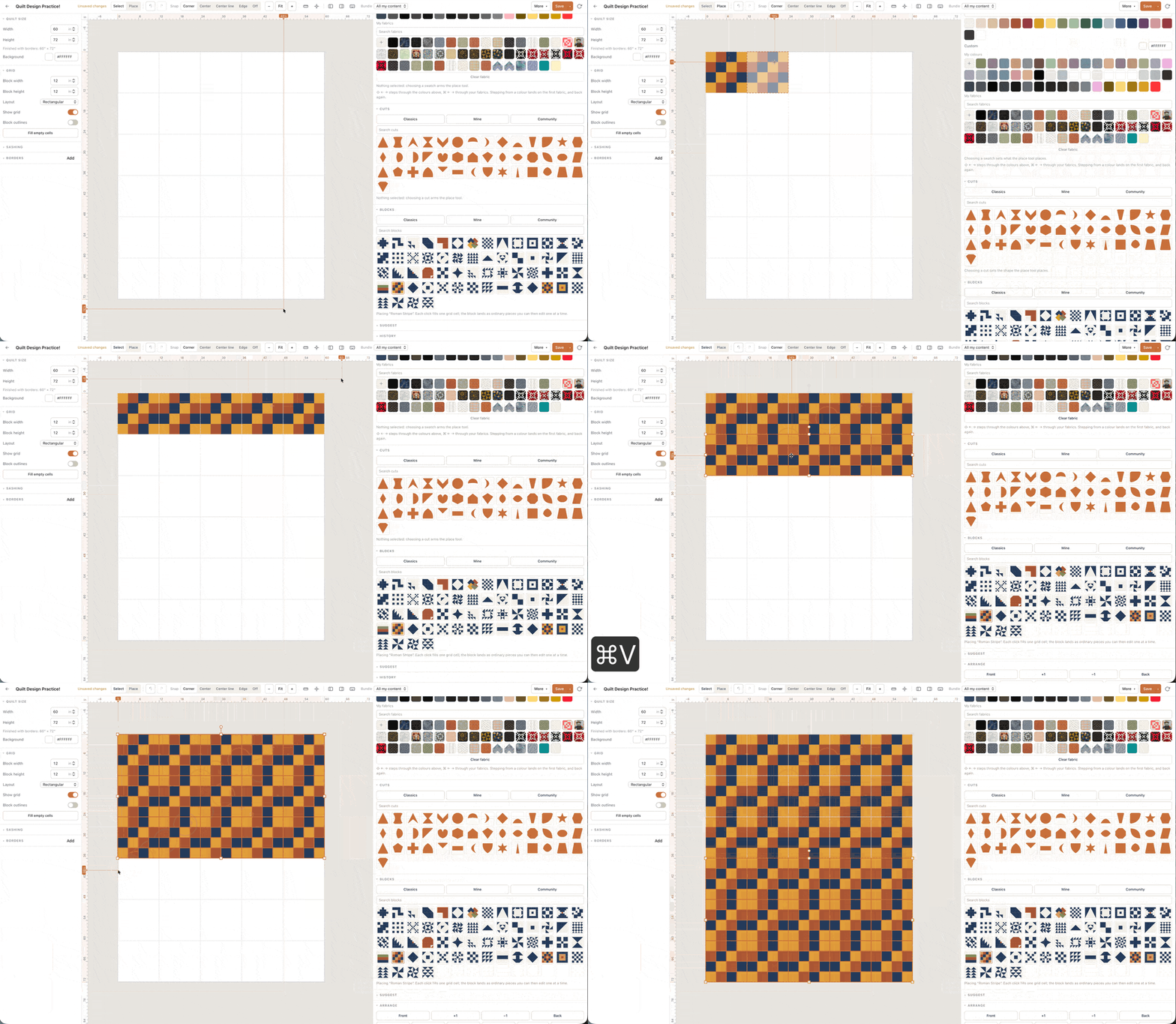
The block page teaches logs around a centre. This page is thirty cabins facing the same way, or a barn-raising diamond of lights. Rotate blocks on the canvas until the value pattern appears. If it does not appear, your lights are not light enough.
Strip width plus round count sets finished block size. Do that math before you promise a queen. A 1-inch finished log on a 12-inch cabin is a different stack than a 2-inch log. Lights and darks are the design; muddy mediums hide barn raising.
One saved quilt for the cabin field you will sew. Rotate four blocks until barn raising appears; if it does not, the lights are not light enough. Log width times rounds is finished size — do that before you promise a queen. Foundation paper piecing is optional; strip cabins usually skip paper.
Cabin versus courthouse steps
Classic log cabin adds strips around the centre, two adjacent lights then two darks (or similar). Courthouse steps adds opposite sides as pairs. They look related and sew differently. Use the other planner if the logs step.
Scrappy cabins are still cabins: scrappy quilt planner. A cabin with twenty prints still needs a light side and a dark side or barn raising will not appear. Two photographed fabrics on free can be those two values; extras wait for a subscription.
Yardage
Logs eat background. A queen of 12-inch cabins is a lot of 1.5-inch strips. The studio counts pieces. Jelly-roll cabins may start from the jelly roll quilt planner if every log is 2.5 inches. Barn raising is a rotation job, not extra software.
Write the finished inches down, then open the matching backing, binding or batting answer if that size has one. Those pages do not replace the canvas: they cover the rectangle jobs. The pieced top is still counted in the studio. If one unit needs foundation paper piecing, the pack can print sheets after you subscribe; a nine-patch field does not. Keep the free limit in mind: one saved quilt and two photographed fabrics, plus solids, is enough to prove the plan before you cut a stack the shop will not take back.
Open the studio, stamp a cabin, and rotate a four-block unit. If barn raising appears, you are planning.